When your business depends on uninterrupted power, a single UPS failure can be very costly. It can lead to lost revenue, damaged equipment, and operational downtime that disrupts critical operations. Yet many facility managers don’t think about maintenance until after a problem occurs.
Power-related failures remain one of the most common causes of unplanned outages in data centers and other mission-critical facilities. UPS systems are designed to protect against these disruptions, but without proper upkeep, they can become a single point of failure instead of a safeguard.
At Camali Corp, we’ve seen firsthand how proper preventive maintenance transforms unreliable power systems into dependable infrastructure. In our 35+ years serving clients like Disney, Nike, and City of Hope Hospital, we’ve learned that a comprehensive UPS maintenance checklist isn’t just a best practice. It’s essential business protection.
Understanding UPS Maintenance: More Than Just Battery Checks
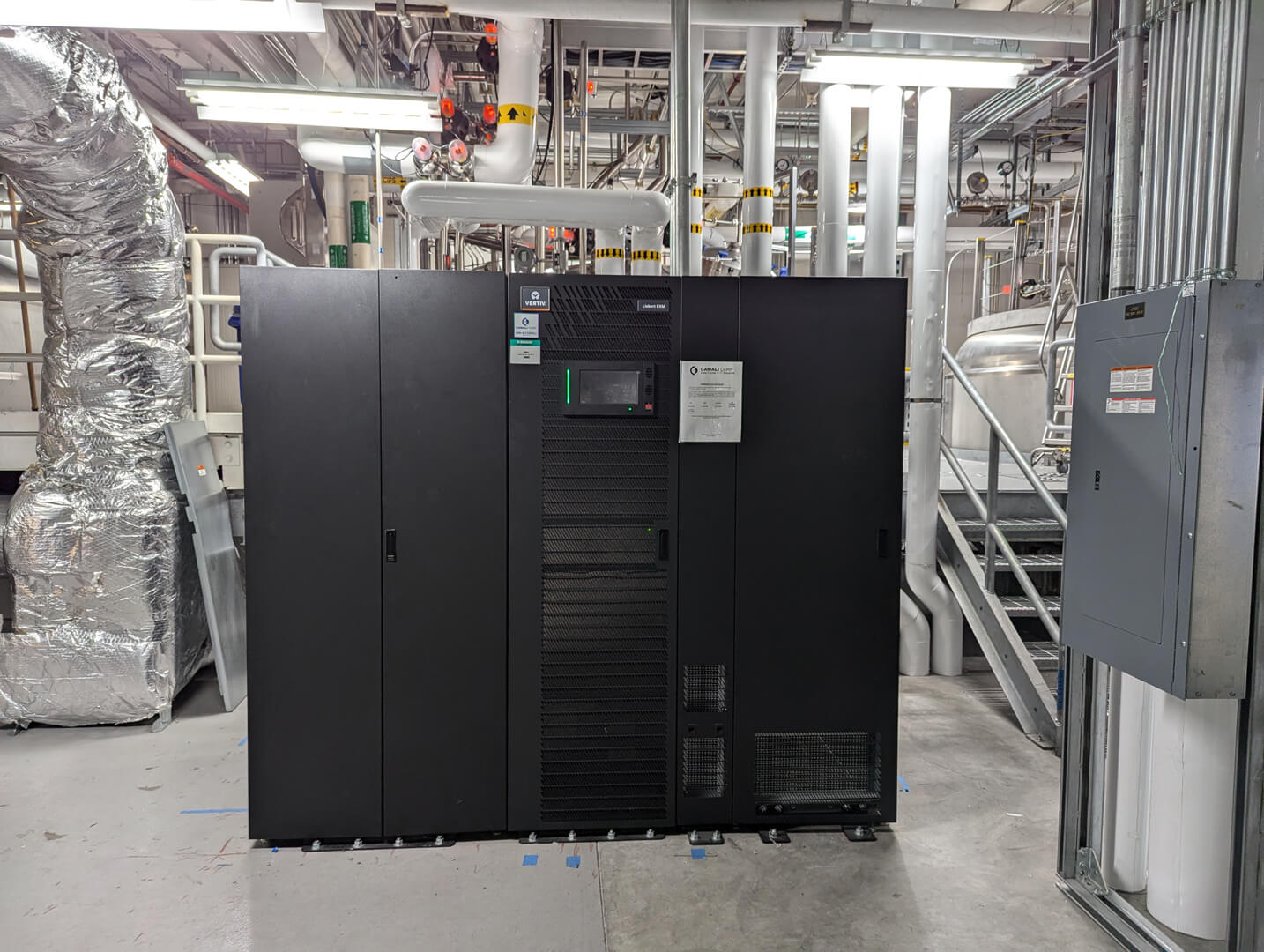
A UPS maintenance checklist encompasses far more than the occasional battery inspection. Modern uninterruptible power systems (UPS) are complex machines. They have many parts that need regular attention to keep them running well and lasting longer.
What exactly does a comprehensive UPS maintenance checklist include? The answer involves regular inspections, testing procedures, cleaning protocols, and component replacements across multiple timeframes. From daily visual checks to annual comprehensive overhauls.
Essential Components of a UPS Maintenance Checklist
Monthly UPS Maintenance Tasks
Monthly maintenance focuses on early detection. Inspect the UPS enclosure for dust, corrosion, or physical damage and confirm indicator lights and displays show normal operation. Verify proper ventilation and keep the surrounding area clean and dry.
Battery checks should include recording voltage levels, watching for swelling or corrosion, and confirming safe ambient temperatures. Review battery monitoring alerts and confirm electrolyte levels for flooded cell batteries. Environmental conditions should also be verified by checking HVAC performance, airflow, and humidity around the UPS.
Quarterly UPS Maintenance Requirements
Quarterly tasks address electrical and performance risks. Inspect all power connections for looseness, overheating, or insulation damage, and confirm proper grounding and stable voltage under load.
Battery testing should include sampling individual cells for voltage and temperature differences. Load testing should verify system capacity, confirm transfer times between utility and battery power, and ensure restart and bypass functions operate correctly.
Semi-Annual UPS Maintenance Activities
Semi-annual maintenance combines cleaning and functional testing. Safely power down the system to remove dust from internal components, fans, filters, and heat sinks, and clean battery terminals as needed.
Perform simulated outage testing, verify alarms and monitoring signals, confirm communication with building systems, and inspect internal components such as capacitors, fans, and wiring. Replace worn parts and update maintenance documentation.
Annual UPS Maintenance Overhaul
Annual maintenance provides a full system evaluation. Thermal scanning identifies hot connections that require correction and establishes temperature baselines. Battery capacity testing measures remaining runtime, checks AC ripple current, and verifies cable resistance to estimate remaining battery life.
The annual review should also include trend analysis of maintenance logs, firmware and software updates, monitoring sensor calibration, and a final system-wide test to confirm reliable UPS operation.
Critical Safety Considerations in UPS Maintenance
UPS maintenance means working with high-voltage electricity and dangerous battery chemicals. Never try complex tasks without the right training and safety gear.
Essential safety protocols include:
- De-energizing systems before internal work
- Using appropriate personal protective equipment (PPE)
- Following lockout/tagout procedures
- Having emergency response plans for battery spills or electrical incidents
- Ensuring only qualified technicians perform electrical work
The Cost of Neglecting UPS Maintenance
Power system problems remain a leading cause of unplanned outages, and UPS failures stand out as the biggest contributor in that category, according to Uptime Institute outage data. This makes the risks concrete and shows why preventive maintenance isn’t optional. It’s a smart business investment.
“In our work with clients across healthcare, data centers, and critical facilities, we consistently see that organizations with comprehensive maintenance programs experience 90% fewer unexpected failures,” notes a senior technician from our team. “The cost of prevention is always less than the cost of emergency repairs and downtime.”
Customizing Your UPS Maintenance Checklist
No two UPS systems operate under the same conditions, which is why a one size fits all maintenance plan rarely works. The size and role of the system should guide inspection depth and frequency. Small office UPS units typically require basic monthly checks, while large data center systems demand more detailed quarterly inspections. Mission critical environments often need continuous monitoring to reduce downtime risk.
Battery technology also plays a major role in maintenance planning. Sealed lead-acid batteries require different inspection and testing routines than flooded cell systems. Lithium-ion UPS batteries need close attention to thermal management, while nickel-zinc batteries often allow longer maintenance intervals but still require regular performance checks.
Environmental conditions further influence how often maintenance should occur. High temperatures speed up component wear, dusty environments increase the need for cleaning, and coastal locations require added protection against corrosion. Aligning your UPS maintenance checklist with these factors helps extend system life and improve reliability.
Professional vs. In-House Maintenance
In house facility teams can manage basic visual inspections and routine monitoring, such as checking alarms, airflow, and general UPS condition. However, advanced tasks like thermal scanning, load testing, and internal electrical work should always be handled by certified technicians to ensure safety and protect equipment warranties.
Partnering with professionals ensures your UPS systems receive comprehensive electrical services under structured service contracts, providing ongoing reliability, compliance, and peace of mind. These services include specialized diagnostic tools, manufacturer-trained technicians, detailed reporting, and emergency response support, all designed to reduce risk for mission-critical systems.
Implementing Your UPS Maintenance Program
A successful UPS maintenance program begins with thorough documentation. Keep accurate records of equipment specifications, installation dates, maintenance history, component replacements, performance trends, and emergency contacts. This documentation supports troubleshooting, planning, and long-term system reliability.
Once your records are in place, establish clear maintenance schedules that align with business operations. Maintenance calendars should account for peak usage periods, seasonal demands, coordination with other facility work, and budget planning for future component replacements. Consistent scheduling helps prevent missed inspections and unplanned downtime.
Equally important is training your facility team on basic UPS operation and monitoring. Staff should know how to recognize warning signs, follow emergency response procedures, document issues correctly, and understand when to escalate problems to professional service providers.
Protecting Your Investment with Professional UPS Maintenance
Your UPS system is a big investment in keeping your business running and your equipment safe. A maintenance checklist helps protect that investment so the system works when you need it most.
At Camali Corp, our UPS maintenance services combine decades of experience with cutting-edge diagnostic tools to keep your power systems operating at peak efficiency. From routine inspections to emergency repairs, our certified technicians provide the expertise your critical systems deserve.
Don’t wait for a power failure to discover maintenance gaps in your UPS system. Contact our team at (949) 580-0250 to schedule a comprehensive system evaluation and develop a customized maintenance program that protects your operations and your bottom line.