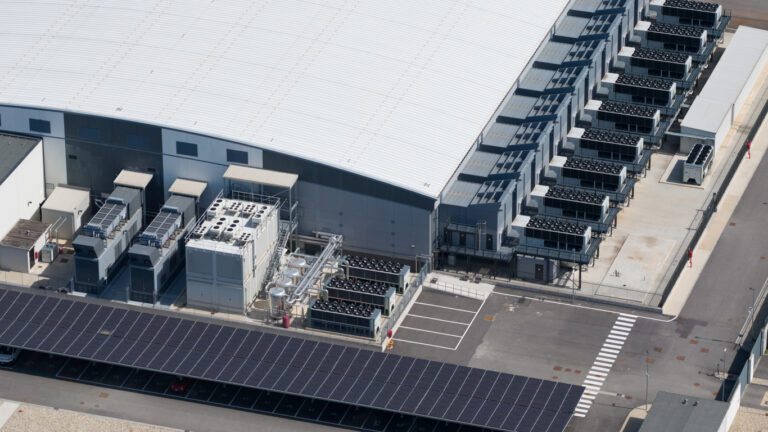
It’s 2 a.m. on a Sunday in August. Your data center’s cooling system just failed. Servers are overheating. Every minute of downtime costs your business thousands of dollars. And the HVAC company you hired six months ago? They’re not answering the phone.
This nightmare scenario plays out more often than you might think across Southern California. The difference between a minor inconvenience and a catastrophic business disruption often comes down to one decision: which HVAC maintenance company you choose to trust with your critical infrastructure.
Whether you manage a hospital, data center, corporate campus, or manufacturing facility, selecting the right HVAC partner is not just about comfort. It is about protecting your operations, your employees, and your bottom line.
Why Choosing the Right HVAC Partner Matters in Southern California
Southern California presents unique challenges that generic HVAC contractors simply aren’t equipped to handle. The region’s extreme heat waves, wildfire smoke events, coastal humidity variations, and strict energy regulations demand specialized expertise. For businesses comparing HVAC maintenance companies in Southern California, those conditions make specialized experience even more important.
The right HVAC maintenance strategy can do more than keep a building comfortable. It can help improve efficiency, reduce avoidable wear, and lower the risk of costly repairs. For commercial facilities, that means better system performance and stronger cost control over time.
The stakes also go far beyond energy bills. Preventive maintenance helps identify issues before they turn into breakdowns, supports longer equipment life, and protects day-to-day operations. For mission-critical facilities like data centers, where even brief downtime can have major consequences, the right HVAC partner is not a luxury. It is a necessity.
7 Critical Factors When Evaluating HVAC Maintenance Companies
1. Licensing and Certifications
In California, any contractor performing HVAC work exceeding $500 must hold a valid C-20 Warm-Air Heating, Ventilating and Air-Conditioning Contractor license from the Contractors State License Board (CSLB). This isn’t optional. It’s the law.
Understanding California HVAC licensing requirements is one of the first steps in evaluating any contractor.
Beyond basic licensing, look for:
- EPA Section 608 Certification for refrigerant handling (mandatory for all refrigerant work)
- NATE (North American Technician Excellence) certification demonstrating ongoing technical competence
- Manufacturer certifications from brands like Carrier, Trane, or Daikin
Always verify licenses directly through the CSLB website. A legitimate contractor will gladly provide their license number upfront.
2. Experience with Commercial and Mission-Critical Systems
Residential HVAC and commercial HVAC are entirely different disciplines. A qualified commercial HVAC contractor should have experience with complex commercial systems like:
- CRAC/CRAH units (Computer Room Air Conditioning/Handlers)
- Chiller plants and cooling towers
- Variable Refrigerant Flow (VRF) systems
- Building automation and controls integration
That is especially important for facilities that depend on specialized data center cooling services and cannot afford avoidable downtime.
Ask potential contractors about their experience with facilities similar to yours. Request case studies or references from clients in your industry. A company with more than 30 years of experience serving data centers, hospitals, and Fortune 500 companies brings institutional knowledge that newer contractors simply can’t match.
3. 24/7 Emergency Response Capabilities
HVAC emergencies don’t follow business hours. When your cooling system fails at midnight on a holiday weekend, you need a partner who will answer the phone and respond fast.
Top-tier HVAC companies maintain:
- Round-the-clock dispatch capabilities
- On-call technicians with fully stocked service vehicles
- Response time guarantees (look for 2 to 4 hour commitments for critical facilities)
- Temporary cooling equipment for immediate deployment during major failures
In our work with clients across Southern California, we’ve seen how 24/7 availability transforms potential disasters into manageable situations. The peace of mind alone is worth the investment.
4. Preventive Maintenance Programs
The most expensive HVAC service is the emergency repair you didn’t see coming. Preventive maintenance flips this equation by catching problems before they become crises.
A comprehensive maintenance program should include:
- Quarterly or semiannual system inspections
- Filter replacements and coil cleaning
- Refrigerant level checks and leak detection
- Thermostat and control system testing
- Belt and bearing inspections
- Condensate drain clearing
- Performance documentation and trending
Preventive maintenance programs help facilities move away from reactive repairs and toward a more reliable service strategy. By identifying issues early and addressing routine wear before it turns into a larger problem, these programs can help lower costs, reduce downtime risk, and support more dependable day-to-day operations.
5. Local Climate and Regulatory Expertise
Southern California has one of the most complex regulatory environments in the country. California’s Title 24 Building Energy Efficiency Standards include specific efficiency requirements that many out-of-state contractors do not fully understand.
The 2025 California Energy Code, effective January 1, 2026, raises the bar even further with expanded heat pump adoption and enhanced efficiency standards for commercial buildings. Your HVAC partner should already be ready for these changes, not trying to adjust at the last minute.
Local climate conditions matter too. Santa Ana wind events and coastal salt air corrosion can create challenges that require region-specific expertise. A contractor who understands these local factors will specify appropriate equipment and maintenance protocols that generic providers overlook.
6. Transparent Pricing and Service Agreements
Hidden fees and vague estimates are red flags. Professional HVAC companies provide:
- Detailed written estimates before work begins
- Clear breakdown of labor, parts, and materials
- Explanation of warranty coverage
- No-surprise billing practices
Service agreements should specify exactly what’s included: number of visits, response time guarantees, parts coverage, and labor rates for work outside the agreement scope. If a contractor can’t clearly explain their pricing structure, keep looking.
7. References and Reputation
Online reviews tell part of the story, but direct references reveal the full picture. Ask potential contractors for 3 to 5 references from commercial clients, then take the time to call them.
Questions to ask references:
- How responsive is the company to service calls?
- Have they met their maintenance schedule commitments?
- How do they handle unexpected issues or cost overruns?
- Would you hire them again?
Look for contractors with 4.5-star ratings or higher on Google and an A+ BBB rating. Consistent positive feedback across multiple platforms indicates reliable service quality.
The Hidden Costs of Choosing the Wrong HVAC Contractor
Choosing an HVAC partner based only on the lowest bid can cost much more over time. A lower price at the start may seem like a smart move, but poor service often leads to bigger expenses later. Consider these hidden costs:
Equipment damage: Improper maintenance can speed up wear and tear, shorten system lifespan, and force early replacement.
Energy waste: Poorly maintained systems often use 15 to 30% more energy than optimized equipment, creating higher monthly operating costs.
Productivity losses: When temperatures are uncomfortable, employee focus and productivity can suffer. Some workplace studies show declines of up to 10%.
Emergency premiums: Emergency repairs can cost 3 to 5 times more than planned maintenance, and they often create added operational disruption.
Compliance penalties: Non-compliant systems can result in failed inspections, fines, delays, and reputational damage.
What Sets Top-Tier HVAC Companies Apart
The best HVAC maintenance companies tend to share a few key characteristics:
Single-source accountability: Rather than juggling multiple contractors for electrical, mechanical, and controls work, leading providers offer integrated services under one roof. This eliminates finger-pointing and streamlines communication.
Proactive communication: They don’t wait for you to call with problems. They provide regular reports, flag emerging issues, and recommend improvements before failures occur.
Investment in training: Technology evolves constantly. Top companies invest in ongoing technician education, ensuring their teams stay current with new refrigerants, controls systems, and efficiency technologies.
Long-term relationships: They view each client as a partnership, not a transaction. This mindset drives better service, honest recommendations, and mutual success.
Questions to Ask Before Signing a Service Contract
Before committing to any HVAC maintenance company, get clear answers to these questions:
- What is your California contractor license number, and can I verify it?
- How long have you been serving commercial clients in Southern California?
- What is your average emergency response time for facilities like mine?
- Can you provide references from similar facilities?
- What does your preventive maintenance program include, and how often?
- How do you handle after-hours emergencies?
- What warranties do you offer on parts and labor?
- Are your technicians certified on my specific equipment brands?
Take the Next Step Toward Reliable HVAC Service
Choosing an HVAC maintenance company is one of the most important decisions you’ll make for your facility. The right partner protects your operations, reduces costs, and gives you confidence that your critical systems are in expert hands.
At Camali Corp, we’ve been serving Southern California’s most demanding facilities since 1988. For businesses looking for HVAC maintenance in Orange County, experience, responsiveness, and commercial expertise should be top priorities. From data centers and hospitals to corporate campuses and manufacturing plants, our team delivers the reliability that mission-critical operations require.
Ready to experience the difference a true HVAC partner makes? Contact our team for a consultation, or call us 24/7 at 949-580-0250.
Frequently Asked Questions About HVAC Maintenance in Southern California
What license do HVAC contractors need in California?
In California, HVAC contractors need a C-20 license from the Contractors State License Board for jobs over $500. Technicians who handle refrigerants also need EPA Section 608 certification.
How much does commercial HVAC maintenance cost in Southern California?
Commercial HVAC maintenance in Southern California usually costs $0.20 to $0.50 per square foot per year. Pricing depends on facility size, system complexity, and service frequency.
How often should commercial HVAC systems be serviced?
Most commercial HVAC systems should be serviced at least quarterly. Critical facilities like data centers and hospitals may need monthly service.
What is the average response time for HVAC emergencies?
Top commercial HVAC companies in Southern California often offer 2 to 4 hour emergency response times for critical facilities. Look for providers with 24/7 dispatch and on-call technicians.
Why is preventive HVAC maintenance important for businesses?
Preventive maintenance helps reduce emergency repairs, improve energy efficiency, extend equipment life, and lower the risk of costly downtime. For critical facilities, it is an important part of keeping operations running smoothly.