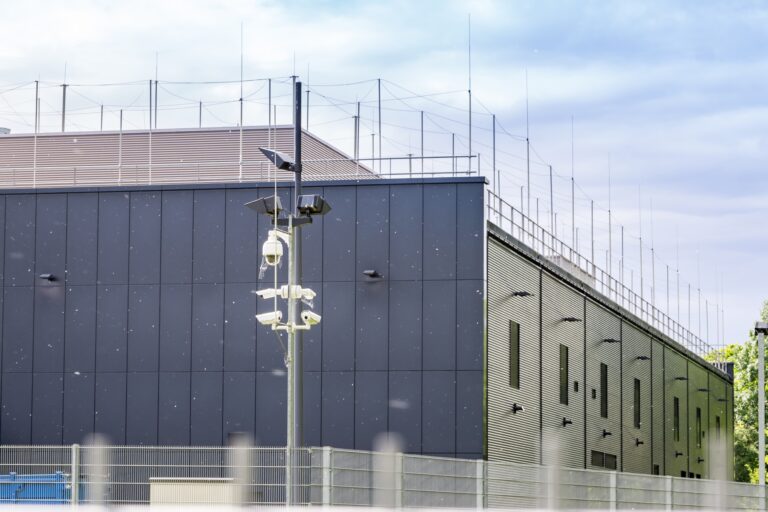
It’s 2 a.m. on a steamy July night. A rooftop HVAC chiller that normally runs quietly and smoothly suddenly quits. Inside the plant, the temperature rises fast, alarms go off, and the night crew scrambles to protect machines that can’t handle heat. The facilities manager’s phone lights up: “System down, need help NOW.”
Sound familiar? Emergency breakdowns are the headache almost every operations leader dreads, not just for the stress but for the cost. Downtime on a single critical asset can cost thousands per minute in lost production. Add in overtime pay, rush shipping, and expensive parts. Suddenly, a small failure costs tens of thousands of dollars.
That’s why more plants, hospitals, and commercial builders are trading reactive “firefighting” for a written plan: the preventive maintenance (PM) contract. A PM contract locks in the routine inspections, tune-ups, and part replacements your equipment needs to stay healthy. Plus the fast-response backup plan you pray you’ll never need.
Yet when we talk to first-time buyers, one question bubbles up every time: “Exactly what should a preventive maintenance contract include?” Below, we’ll break down the five must-have clauses, the extras worth paying for, and a quick checklist you can use to vet any proposal. By the end, you’ll know how to protect uptime, budget smarter, and avoid that 2 a.m. catastrophe for good.
Why a Preventive Maintenance Contract Beats “Call-Us-When-It-Breaks”
A preventive maintenance contract delivers more predictable budgeting because flat monthly or quarterly fees replace the surprise five-digit emergency invoices that often come with reactive repairs. Routine preventive service improves equipment performance and helps extend useful life compared with reactive maintenance, according to the U.S. Department of Energy and industry best practice guides. Companies that implement formal preventive maintenance programs experience significantly fewer unplanned shutdowns, with some reports indicating as much as a 3.5 times reduction in outages. Compliance is also easier, as OSHA and EPA documentation is captured automatically during every visit.
In our work with Mid-Atlantic manufacturers, downtime often drops by roughly 40 percent within the first six months after switching to a solid preventive maintenance agreement.
Core Inclusions Every Preventive Maintenance Contract Needs
Not all maintenance contracts are created equal. Before signing, ensure your agreement includes the key services that keep equipment running efficiently. If anything is missing, ask the vendor to update the contract or consider other options.
1. Scheduled Inspections & Tune-Ups
These are the backbone of any preventive maintenance program. Regular checkups catch small issues before they turn into major problems. A solid contract should list how often inspections occur, which assets are covered, and the specific tasks performed, such as vibration readings, refrigerant level checks, amperage measurements, and thermostat calibration. For HVAC systems, timely inspection reports are essential because delayed reports can slow down repairs and maintenance. Learn more in our HVAC preventive maintenance services.
2. Routine Cleaning & Lubrication
Protect equipment from wear caused by dust, dirt, and friction. Contracts should include filter replacements, coil cleaning, belt tensioning, bearing lubrication, and drain-pan treatment. Even simple tasks like cleaning coils can reduce energy bills by up to 30 percent, according to Energy Star.
3. Replacement Parts & Consumables
The best contracts cover basic parts like belts, seals, and filters, so you’re not hit with surprise charges later. A strong agreement clarifies which parts are covered, whether they are OEM or aftermarket, any price limits, and what the service provider keeps in stock to speed repairs.
4. Emergency Support & Priority Response
Even with regular care, things can still break. This ensures coverage when unexpected issues occur. Look for contracts that provide a 24/7 emergency number with a live responder, guaranteed on-site response times (≤ 4 hours is gold standard), and discounted labor for covered equipment. Priority service helps clients avoid waiting for standard business-hour responses.
5. Documentation, Reporting & Compliance Records
These are essential for accountability and safety audits. Every visit should generate a digital service report with photos, readings, technician notes, and equipment updates. These records can be stored in a dashboard or CMMS system and are also useful for insurance and compliance purposes.
For organizations seeking protection beyond just HVAC, comprehensive facility maintenance services help prevent equipment failure, maintain operational efficiency, and extend asset life across all critical systems.
Optional Add-Ons to Enhance Your Maintenance Program
Organizations can often customize their preventive maintenance contracts with optional add-ons that improve efficiency and reduce risk. IoT remote monitoring uses sensors to send real-time data to our command center. When anomalies are detected, service can be dispatched before equipment fails, preventing costly downtime.
CMMS integration consolidates all equipment history and service logs into a single dashboard, eliminating the need to search through folders and paper records. This gives facility managers instant access to maintenance history and performance trends.
Extended parts warranties provide additional coverage beyond the OEM standard, typically adding one to three years of protection for critical components.
Energy-efficiency retrofits, such as variable-frequency drives (VFDs), LED lighting upgrades, and demand-control ventilation systems, help facilities cut utility costs by 10 to 20 percent while improving overall system performance.
How to Evaluate a Preventive Maintenance Proposal
Scope & Service Frequency
Start by matching the service frequency to the criticality of each asset. Mission-critical equipment, like large chillers, often requires monthly inspections, while less critical units, such as office split systems, may only need semi-annual checkups. The right frequency ensures potential issues are caught before they disrupt operations.
Provider Qualifications & Safety
The technicians performing preventive maintenance should hold relevant certifications, such as EPA 608, OSHA 30, or NICET. Verify that background checks and drug testing are in place, because safety lapses can erase any cost savings. Hiring certified professionals ensures your equipment is handled safely and correctly.
SLAs, KPIs & Cost Structure
Review the service level agreements to confirm response times, first-time-fix rates, and spare-parts availability. Key performance indicators like mean time between failures (MTBF), cost per run-hour, and energy savings provide measurable performance expectations. Make sure the cost structure is clear, including labor rates, markup caps, and any escalation clauses, so there are no surprises down the line.
ROI Snapshot: Typical Benefits of Preventive Maintenance
Switching from a reactive break-fix approach to a preventive maintenance program can significantly improve equipment reliability and reduce costs. Facilities that adopt structured PM agreements often experience a noticeable drop in unplanned downtime hours, sometimes by more than 40 percent within the first year. Total maintenance spend can also decrease, as routine service prevents costly emergency repairs and extends asset life. Many organizations report a payback period of under eight months when factoring in reduced downtime and avoided emergency work.
The table below illustrates a representative example of year-one improvements facilities might see after implementing a preventive maintenance program:
| Metric (Year 1) | Before Contract | After Contract | Result |
| Unplanned downtime hours | 280 | 160 | ↘ 43% |
| Total maintenance spend | $2.1M | $1.74M | ↘ 17% |
| Payback period | — | 7.4 months | N/A |
These figures are illustrative, showing the type of gains commonly observed. Even modest improvements in uptime and cost control can translate into meaningful operational and financial benefits for a facility.
Why Camali Corp Is the Smart Choice
For 25 years, Camali Corp has kept hospitals, manufacturers, and commercial facilities running smoothly across the Mid-Atlantic. Clients rely on our certified technicians, 24/7 in-house call center, and real-time IoT monitoring combined with expert oversight.
Stop reacting to breakdowns and start planning proactively. Book a free asset audit today or call (949) 580-0250.