Your firm signs a lease on a beautiful 30,000-square-foot office. Everyone is excited until the Wi-Fi crawls, printers time-out, and video calls stutter. Nine times out of ten, the root cause is the invisible highway inside the walls: the structured cabling. But how much does that highway cost to build or upgrade? The short answer: it depends on eight key factors. The long answer, plus actual price ranges and money-saving tips, is below.
Breaking Down Structured Cabling Cost Components
If a structured cabling quote feels confusing, it helps to break the cost into three clear areas. This makes it easier to compare bids and understand where your budget is going.
Labor & Installation
Labor covers more than pulling cable through walls. Each run must be installed correctly, labeled, and tested to meet performance and safety standards. Costs vary based on site conditions, cable length, ceiling access, and local labor rates. Older buildings or active facilities often take longer, which increases installation time and overall cost.
Materials, Hardware & Cable Category
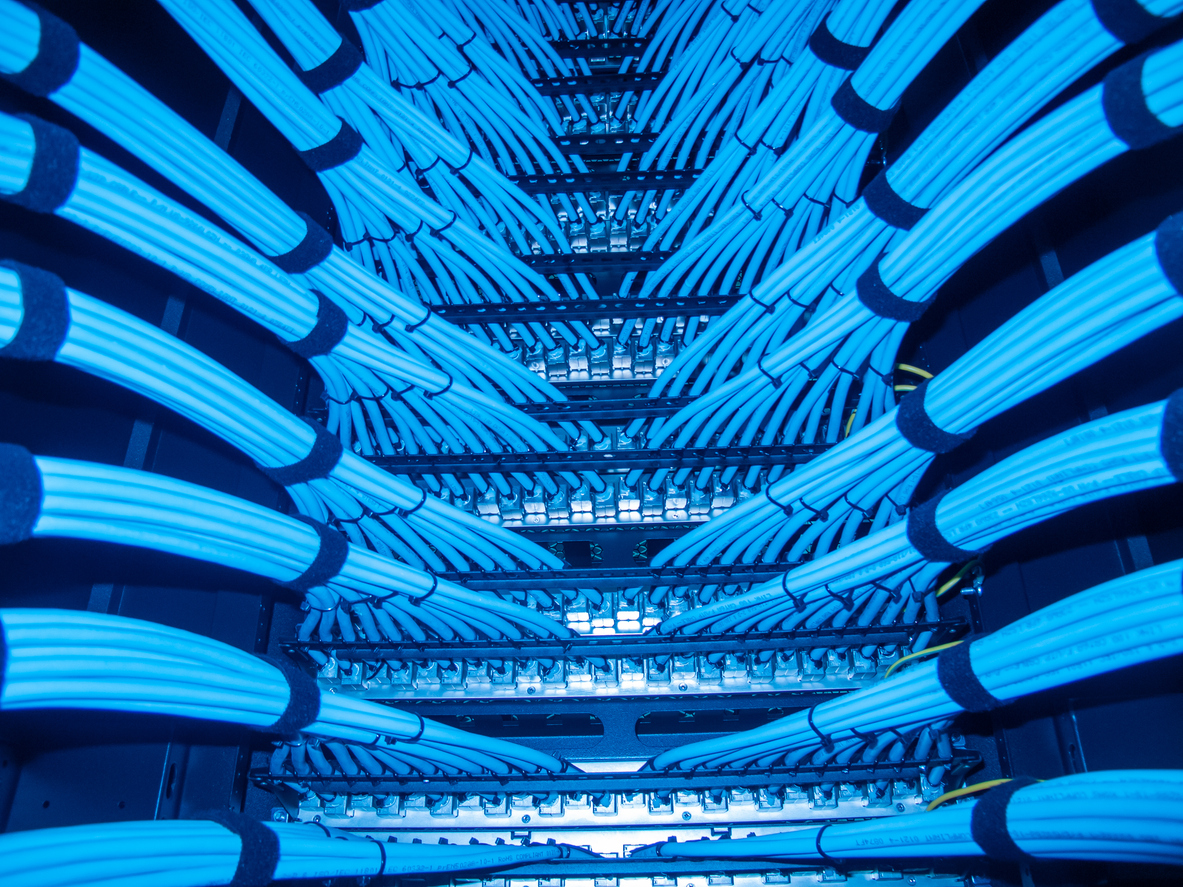
Material costs depend heavily on the cable type and supporting hardware. Copper cabling ranges from older categories like Cat5e to high-performance options like Cat6A or Cat8. Fiber cabling, such as OM3, OM4, or OS2, is common in backbone and high-bandwidth applications. Projects also require patch panels, jacks, racks, ladder tray, cable management, and labeling supplies. Higher-category cable supports faster data speeds but comes at a higher upfront cost.
Design, Testing & Certification
Good firms, including Camali Corp’s structured cabling team, design cable routes using specialized software (like CAD/BIM), then certify every run to TIA-568 or ISO/IEC standards. Budget 8–12% of the project for these “soft” costs. Skip them, and you’ll likely pay in downtime later.
8 Key Factors That Influence Structured Cabling Costs
Structured cabling costs vary widely from one project to the next. These factors have the biggest impact on pricing and long-term value.
1) Building Size & Layout
An open warehouse is easy to install cables in, but a historic building with narrow spaces is harder and costs more. Tight pathways, thick walls, and frequent turns slow installation and increase labor time.
2) Cable Type & Performance
Higher-performance cable costs more upfront but supports faster speeds and longer distances. Cat6A supports 10-gigabit networks over standard horizontal runs, while fiber is immune to electrical interference (EMI) and is often used for backbone or long-term growth. The right choice depends on bandwidth needs and how long you plan to keep the infrastructure.
3) Number of Drops & Endpoints
Buying in bulk can save you money, more drops means lower costs per drop. Going from 50 to 200 drops can cut per-drop pricing because technicians stay on site longer and materials ship on one pallet. Smaller installs usually cost more per connection due to setup time and mobilization.
4) Pathway & Infrastructure Needs
Cable pathways such as conduit, J-hooks (supports for running cables), ladder racks (or cable trays), sleeves, and wall penetrations add material and labor costs. Ceiling height, distance to IDF closets, and structural obstacles all play a role. For better efficiency and scalability, explore our network infrastructure solutions to enhance your setup.
5) Codes, Compliance & Certifications
Healthcare and financial facilities often require plenum-rated cable (designed for fire safety in air ducts), redundant pathways, and detailed test reports. Each layer of compliance adds cost.
6) Future-Proofing & Growth
Installing spare capacity during construction is far cheaper than adding it later. Extra drops, empty conduit, or additional fiber strands increase material cost now but reduce future disruption. This approach aligns with expert tips for designing a top-tier data center that prioritize flexibility and uptime.
7) Geographic Labor Rates
Labor rates vary by region. Dense metro areas typically cost more than smaller markets, even for the same scope of work.
8) Project Timeline & Phasing
Night work or compressed schedules trigger overtime and shift premiums. Phased projects can also raise totals due to repeated mobilization and coordination.
Poor data cabling has been known to cause as much as half of all network failures.
How to Estimate Your Budget (With Quick-Calc Table)
Most structured cabling contractors estimate costs using either a per-drop or per-square-foot model. The right pricing method depends on how defined your project scope is and how early you are in the planning phase.
| Method | Typical 2025 Range | When to Use |
| Per drop | $150–$300 for Cat6A, $200–$450 for OM4 fiber | Office remodels where drop count is known |
| Per square feet | $1.90–$3.50 (light office) to $4–$6 (healthcare/lab) | New builds still in design phase |
Hidden Costs People Forget
Several costs are often excluded from initial cabling quotes. Firestopping sealant is required for every floor penetration and is necessary for code compliance. Ceilings above 16 feet may require lift rentals, adding labor and equipment expense. Patch cords are frequently left out of low bids even though they are needed to connect switches and devices. Cable labeling and as-built drawings are also critical for future moves, adds, and changes, but are sometimes treated as optional.
4 Proven Cost-Saving Tips
There are practical ways to control structured cabling costs without sacrificing quality. Bundling low-voltage systems such as access control, CCTV, and Wi-Fi allows crews to pull cable once instead of returning multiple times. Standardizing on a single cable category across floors simplifies design and improves material pricing. Pre-terminated fiber trunks reduce installation time, especially on tight schedules. Scheduling cabling work before furniture arrives improves access and helps avoid delays.
Why Quality Cabling Pays for Itself
Downtime Math & ROI
Network downtime can be extremely costly, often reaching hundreds of thousands of dollars per hour for mid-size companies. Investing in quality structured cabling reduces physical-layer issues, lowers troubleshooting time, and ensures more consistent network performance. This helps IT teams spend less time fixing problems and more time on productive work, making the upfront cost of premium cabling worthwhile over the long term.
Project Example: Office Network Refresh
In a multi-floor office upgrade, a higher-performance cabling solution added $20,000 to the initial budget but prevented a potential $75,000 infrastructure replacement within three years. After installation, network complaints dropped by about 40%, Wi-Fi coverage improved across all floors, and moves, adds, and changes were completed 50% faster due to clear labeling and documentation.
Next Steps: Requesting a Precise Quote from Camali Corp
Every building is unique. Use the checklist below, then email info@camalicorp.com or visit our Structured Cabling Services page for a free site walk-through.
Pre-Quote Checklist:
☐ Floor plans with scale
☐ Desired cable category & drop count
☐ Rack/closet locations
☐ Special compliance needs (HIPAA, SOC 2, etc.)
☐ Target timeline
Get a free, fixed-price quote today. No surprises, just reliable bandwidth for years to come.