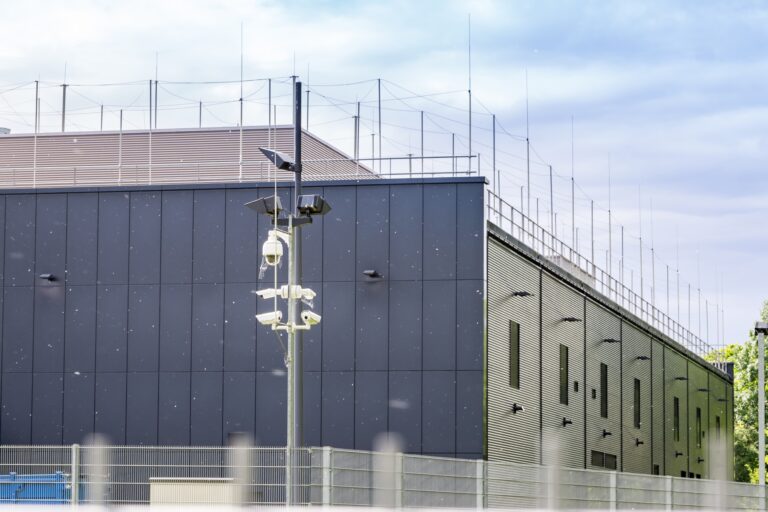
Sarah, a facility manager at a large office building, noticed her tenants were still complaining about uneven temperatures even though the mechanical systems ran constantly. She realized it was time for a mechanical system audit, something every building owner eventually needs.
A mechanical system audit does more than just check if your HVAC equipment is working. It helps uncover hidden problems, prevent costly breakdowns, and optimize energy use. From simple maintenance adjustments to identifying larger system issues, an audit provides the insight needed to keep a building running efficiently.
What Is a Mechanical System Audit?
A mechanical system audit is a full check of heating, ventilation, air conditioning, and other equipment in a building. Unlike regular maintenance, an audit looks at how all parts work together as one system, not just at single pieces.
The audit process includes inspections, performance checks, and an energy-use review. Auditors document their findings and provide prioritized recommendations. Using tools like thermal cameras, airflow meters, and energy monitors, they can uncover problems that are not visible to the naked eye.
A mechanical system audit helps identify inefficiencies and opportunities for cost savings, making your building more comfortable and easier to manage.
Essential Components of Your Mechanical System Audit Checklist
1. HVAC Equipment Inspection
A thorough audit starts with HVAC equipment. Boilers, chillers, heat pumps, air handling units, rooftop units, and cooling towers are checked for proper operation, unusual noises, leaks, corrosion, and efficiency compared to manufacturer specifications. Auditors measure airflow, refrigerant levels, pressures, temperatures, and fan performance. Documentation includes equipment age, model numbers, maintenance history, real-time electrical use, and photos of visible wear or safety concerns.
2. Distribution System Evaluation
The ductwork and piping systems often hide inefficiencies. Inspect ducts for damage, loose parts, poor installation, insulation quality, and air leaks. Measure airflow at key points to confirm system performance. Piping for hot water, chilled water, and steam is checked for leaks, slope, support, insulation, and valve operation. Pump performance is tested to ensure flow rates are optimal and energy use is efficient.
3. Control Systems and Automation
Modern building automation systems can have a big effect on energy use. However, many run with old programming or sensors that aren’t set correctly. Building management systems (BMS) and manual controls are reviewed to optimize energy use. Sensors are calibrated, schedules and setpoints verified, and alarms analyzed for recurring faults. Energy management features such as demand limiting, optimal start/stop, and outdoor air controls are checked. Manual controls, including thermostats, dampers, safety systems, and user interfaces, are tested for accuracy, proper installation, and ease of use.
4. Energy Performance Analysis
Auditors begin with energy monitoring, reviewing 12–24 months of usage to detect patterns, peaks, and anomalies. Benchmarking against similar buildings using tools like ENERGY STAR Portfolio Manager identifies opportunities to improve efficiency. Equipment and system-level efficiency is calculated, and cost-benefit modeling highlights potential upgrades. Sub-metering opportunities and utility incentives are also explored to optimize energy performance.
5. Indoor Air Quality Assessment
Air quality directly impacts occupant comfort, productivity, and health. Temperature, humidity, CO2, particulate levels, and ventilation rates are measured against ASHRAE standards. Moisture, mold, and VOCs are evaluated, code compliance is verified, and occupant feedback is collected to identify potential mechanical system issues affecting indoor air quality.
Advanced Audit Techniques and Tools
Thermal Imaging Analysis
Thermal imaging, or heat cameras, reveal hidden issues that normal inspections miss. They detect insulation defects such as thermal bridging, missing insulation, and air infiltration. Electrical problems like overheating connections, unbalanced loads, and failing components are identified before they cause outages. Mechanical issues, including bearing wear, belt misalignment, and refrigerant leaks, can be spotted in real time. Thermal imaging also helps assess the building envelope, quantifying heat loss through walls, windows, and roof systems.
Airflow and Pressure Testing
Specialized diagnostic equipment measures airflow and pressure precisely. Ductwork leakage is quantified, and specific leaks are identified. Room pressurization tests ensure proper pressure relationships, while ventilation effectiveness is measured by air change rates and mixing patterns. Filter performance is evaluated by documenting pressure drops and recommending optimal replacement schedules.
Energy Monitoring and Data Logging
Temporary monitoring captures detailed performance data across the facility. Power quality analysis identifies voltage fluctuations, harmonics, and power factor issues. Equipment cycling patterns are tracked to evaluate operating efficiency under different loads. Environmental conditions, including temperature, humidity, and occupancy, are logged to optimize control strategies. These measurements establish a baseline energy profile, supporting accurate verification of savings from system improvements.
Creating Your Audit Action Plan
Immediate Priority Items (0-30 days)
Begin with safety and quick wins that improve energy use right away. Address any code violations, gas leaks, or electrical hazards immediately. Make no-cost improvements by adjusting schedules, setpoints, and control sequences. Perform basic maintenance such as replacing filters, cleaning coils, and lubricating equipment. Train staff to operate systems correctly and follow energy-saving practices.
Short-term Improvements (1-6 months)
Focus on upgrades that are affordable and deliver a quick return. Replace broken or inefficient motors, drives, and controls. Fine-tune system settings and implement advanced control strategies. Establish preventive maintenance programs with regular inspections and upkeep. Add permanent energy meters to monitor ongoing performance and identify further optimization opportunities.
Long-term Strategic Upgrades (6+ months)
Plan larger investments that provide lasting benefits. Replace aging boilers, chillers, and air handling units with high-efficiency models. Upgrade building automation systems with advanced analytics for smarter control. Redesign distribution systems, including ductwork and piping, to improve efficiency. Evaluate renewable energy options, such as solar or geothermal, to further reduce energy costs and environmental impact.
Measuring Audit Success and ROI
A well-executed mechanical system audit delivers measurable results. Energy efficiency improves as upgrades optimize equipment and reduce waste, while operational performance benefits from increased reliability, lower maintenance needs, and better occupant comfort. Indoor air quality improves, and the system is more likely to meet building codes and ASHRAE standards.
Financially, audits are a cost-effective investment. The initial audit cost is offset over time through reduced energy use and maintenance expenses, allowing buildings to realize savings soon after implementation.
Working with Professional Auditors
Comprehensive mechanical system audits require specialized expertise beyond basic in-house inspections. Professional auditors bring certified expertise, advanced diagnostic tools, and deep industry knowledge to identify efficiency opportunities and system issues that might be missed internally. They provide an objective, third-party assessment to ensure accuracy and reliability.
When choosing an audit provider, verify experience with similar building types and review client references. Camali Corp’s certified engineers have completed hundreds of commercial audits, helping clients improve system reliability and optimize energy use.
Take Action: Improve Your Building’s Efficiency
A mechanical system audit is one of the most cost-effective investments a building owner can make. By evaluating every aspect of your HVAC systems, audits uncover hidden inefficiencies, prevent equipment failures, and provide a clear roadmap for long-term energy savings.
Consider Sarah’s office complex from our opening story. Implementing audit recommendations, including ductwork sealing, control optimization, and targeted equipment upgrades, resolved comfort issues and reduced energy costs. The improvements paid for themselves quickly while delivering ongoing operational benefits.
Ready to optimize your building’s mechanical systems? Contact Camali Corp for a comprehensive audit that identifies energy savings opportunities and prevents costly equipment failures. Our commercial HVAC services team has helped hundreds of clients reduce energy costs while improving occupant comfort and system reliability.