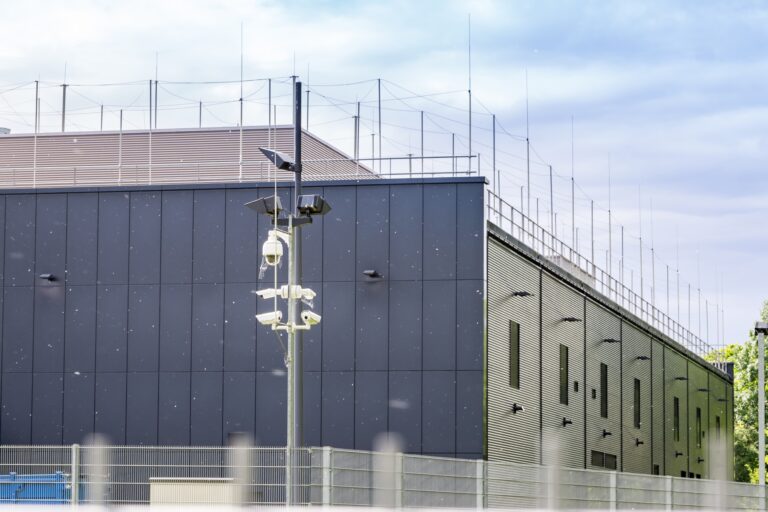
When your critical infrastructure fails at 2 AM on a Sunday, every minute counts. The question isn’t whether you’ll face an emergency, it’s whether you’ll be prepared when it happens. For businesses relying on data centers, HVAC systems, and electrical infrastructure, a 24/7 emergency support contract can mean the difference between a minor disruption and a major failure.
The Hidden Cost of Infrastructure Downtime
Downtime is expensive. Industry research shows that 90% of businesses lose more than $300,000 for every hour their systems are down. For 41% of companies, the loss can reach $1–5 million per hour. These numbers mean real money lost, along with customers and trust, while systems sit offline.
Consider this scenario: your data center’s cooling system breaks during peak hours. Without quick expert help, server temperatures rise fast. To avoid damage, the system shuts itself down. Every minute offline costs money, reduces productivity, and damages customer trust.
What Is a 24/7 Emergency Support Contract?
A 24/7 emergency support contract is a service agreement that guarantees immediate response to critical infrastructure failures, regardless of when they occur. Unlike standard business-hours support, these contracts provide guaranteed response times based on issue severity and include coverage on weekends and holidays. Facilities also receive priority access to certified technicians and specialized equipment when emergencies occur.
Many contracts include real time monitoring that helps identify problems before they lead to outages. Predictable service costs make it easier for organizations to plan budgets while maintaining reliable support for critical systems.
The True Benefits of 24/7 Emergency Support
Minimized Downtime and Rapid Response
When infrastructure fails, time is your enemy. A comprehensive emergency support contract ensures qualified technicians are dispatched immediately, dramatically reducing downtime. Industry data shows that a majority of infrastructure-related incidents stem from poorly maintained electrical and cooling systems. Problems that emergency support teams are specifically trained to handle.
Access to Specialized Expertise
Critical infrastructure systems require specialized knowledge that most in-house teams lack. Emergency support contracts provide quick access to certified professionals with deep expertise in UPS and battery systems, HVAC and cooling equipment, electrical distribution, and generator maintenance. This expertise helps resolve issues quickly and reduces the risk of extended downtime.
Cost Predictability and Budget Control
Emergency support contracts turn unpredictable crisis costs into steady monthly expenses. Without a contract, emergency callouts can cost several times more due to overtime labor and rushed parts. A structured contract offers fixed fees, defined response times, and covered labor and parts, helping organizations avoid surprise costs during emergencies.
The Risks of Going Without Emergency Support
Delayed Response Times
Without a 24/7 support contract, you may wait much longer for help. If many businesses are affected by a storm or outage, technicians may not reach you for hours, or even days. The longer you wait, the more money and productivity you lose.
Limited Expertise Access
Your in-house team can handle regular maintenance, but emergency repairs often need special training. Without expert support, diagnosing problems can take longer and repairs may not fully resolve the issue. Working on high voltage systems without proper expertise also increases safety risks and can void equipment warranties if work is not performed correctly.
Higher Costs
Emergency repairs without a contract are far more expensive. Labor rates are often much higher during emergencies, and rush shipping, overtime, or weekend work can quickly drive up costs. Delayed repairs may also lead to equipment replacement, further increasing the financial impact of an outage.
Calculating the ROI of Emergency Support Contracts
To determine if a 24/7 emergency support contract makes financial sense, consider this calculation:
Annual Contract Cost vs. Potential Downtime Losses
For a mid-sized business with $50,000/hour downtime costs:
- One 4-hour outage = $200,000 in losses
- Annual emergency contract = $15,000-$30,000
- ROI: Contract pays for itself if it prevents just one significant outage
Real-World Example
A healthcare facility we work with experienced a critical HVAC failure that threatened their server room. With our 24/7 emergency support, technicians arrived within 2 hours and restored cooling before any equipment damage occurred. Without the contract, the 8-hour repair delay could have resulted in $400,000+ in equipment replacement and data recovery costs.
Key Features to Look for in Emergency Support Contracts
Guaranteed Response Times
A strong emergency support contract should clearly define response times based on issue severity. Critical system outages typically require acknowledgment within 15 to 30 minutes and on site response within 2 to 4 hours. Major issues such as partial system failures often call for a 1 to 2 hour acknowledgment and on site support within 4 to 8 hours. Moderate problems should still receive a defined response window, usually within 2 to 4 hours.
Full Coverage
The contract should cover all essential infrastructure systems to avoid gaps in support. This includes electrical systems and power distribution, HVAC and cooling systems, UPS and battery backup systems, generator maintenance and repair, and core IT infrastructure support. Full coverage ensures faster resolution and reduces risk during critical events.
Real-time Monitoring
The best emergency contracts include real-time monitoring that can identify potential issues before they become emergencies. This preventive approach can reduce emergency callouts by up to 60%.
When 24/7 Support Is Non-Negotiable
Certain industries and business types should consider 24/7 emergency support essential rather than optional:
Healthcare Facilities
Patient safety depends on reliable power and climate control. Equipment failures can literally be life-threatening.
Financial Services
Trading floors and data centers require 99.99% uptime. Even brief outages can result in massive financial losses.
Manufacturing Operations
Production lines that run continuously cannot afford unexpected shutdowns that disrupt entire supply chains.
Data Centers and Colocation Facilities
These businesses sell reliability to their customers. Any downtime directly impacts their reputation and revenue.
Making the Decision: Questions to Ask Yourself
Before committing to a 24/7 emergency support contract, honestly assess your situation:
- What does one hour of downtime cost your business?
- How quickly can your in-house team respond to after-hours emergencies?
- Do you have the specialized expertise needed for complex repairs?
- Can you afford the risk of extended downtime during critical periods?
- How would a major infrastructure failure impact your customers and reputation?
Choosing the Right Emergency Support Provider
Not all emergency support contracts are created equal. When evaluating providers, consider:
Experience and Expertise
Look for providers with decades of experience and certified technicians. Camali Corp’s 35+ years in critical infrastructure provides the deep expertise needed for complex emergency situations.
Response Track Record
Ask for specific examples of emergency response times and customer testimonials. A provider’s past performance is the best predictor of future reliability.
Comprehensive Service Offerings
Choose a provider that can handle all aspects of your infrastructure, from electrical to mechanical systems. This eliminates the need to coordinate multiple vendors during emergencies.
Local Presence
Ensure your provider has technicians located near your facility. Even the best remote support can’t replace hands-on expertise when hardware fails.
The Bottom Line: Is It Worth It?
For most businesses with critical infrastructure, a 24/7 emergency support contract isn’t just worth it, it’s essential. The question isn’t whether you can afford the contract. It’s whether you can afford to be without it when disaster strikes.
The peace of mind alone, knowing that expert help is just a phone call away, 24/7/365, often justifies the investment. When you factor in the potential costs of extended downtime, emergency repairs, and equipment replacement, the ROI becomes even more compelling.
Take Action Before You Need It
Don’t wait for an emergency to realize the value of 24/7 support. The time to establish an emergency support relationship is when your systems are running smoothly, not when they’re failing.
Ready to protect your critical infrastructure with comprehensive emergency support? Contact Camali Corp today to discuss your specific needs and learn how our proven emergency response capabilities can safeguard your operations. With over three decades of experience and a track record of rapid response, we’re the partner you can count on when every minute matters.