Why Emergency Generator Repair Matters in Data Centers
In a data center, power is more than just convenience, it’s survival. Whether you’re supporting cloud services, financial transactions, or healthcare data, your operations depend on reliable electricity. When a generator fails in your data center, it can lead to system crashes, lost data, unhappy clients, and even regulatory trouble. That’s where emergency generator repair comes in.
Every second your systems are down, your business is losing more than power. It’s losing trust.
What Causes Generator Failure in Data Centers?
Even the best emergency backup generator can fail without warning. In high-demand environments like data centers, the stress on these machines is nonstop. But most failures are not sudden, they come from problems that build up over time.
Common Reasons for Generator Failure
Generator failure in data centers rarely happens without warning. Most issues develop slowly as equipment operates under constant load. Fuel problems are a frequent cause, since contaminated fuel or delivery interruptions can prevent proper combustion and stop the power supply. Battery problems are another risk, as batteries degrade over time or fail due to charger faults, leaving the generator unable to start when needed.
Cooling failures also play a major role. Leaks, blockages, or low coolant levels can cause overheating and trigger automatic shutdowns designed to protect the system. Electrical faults, including failing sensors or control boards, may occur without obvious symptoms but can still disable the generator. In many cases, these problems are made worse by neglected maintenance. When routine inspections are skipped, small issues go unnoticed until they lead to failure.
These issues are all preventable, but only if you catch them early. That’s why it’s critical to stay alert, even when your systems seem fine.
What to Do Immediately When a Generator Fails
The moments right after a data center power outage are crucial. Fast, focused action can limit the damage and speed up recovery.
Your First Response Checklist
When a generator fails, the first few minutes matter. Start by checking the Automatic Transfer Switch to confirm power is being routed correctly. In some cases, the generator may be running, but a fault in the ATS prevents power from transferring to the facility. Next, confirm that the Uninterruptible Power Supply is operating properly and holding the load. The UPS provides critical time to respond before systems shut down.
Notify on-call staff or the monitoring team immediately so technicians can prepare for a rapid response. As the situation unfolds, document everything. Notes, photos, and screenshots of warning lights or error codes can significantly speed up troubleshooting and emergency generator repair. Avoid restarting the generator until basic checks are complete, as repeated restart attempts without diagnosis can cause additional damage.
Every second counts during a data center power outage, and a clear first-response process helps ensure nothing is missed when time is limited.
Troubleshooting and Repairing a Generator Under Pressure
Fixing a generator failure in a data center isn’t about guesswork. It’s about following proven steps that pinpoint the problem fast.
Camali Corp’s Rapid Response Protocol
When a generator fails under pressure, Camali Corp technicians rely on a standardized rapid response protocol designed to identify the problem quickly and restore power safely. The process begins with a visual inspection to check for fluid leaks, smoke, frayed wiring, or loose components that could signal an immediate failure. Technicians then move to digital diagnostics, using enterprise tools to review fault codes and event history for early clues.
Next, the fuel system is reviewed to confirm proper fuel levels, tank conditions, and flow integrity. Power components such as the starter, alternator, control panel, and batteries are tested to isolate electrical or mechanical issues. If a failed part is identified, components are replaced on-site whenever possible and system controls are reset. The final step is a validation load test, which simulates real operating conditions to confirm the generator can handle demand reliably.
The goal isn’t just to fix the current issue, it’s to prevent the next one.
How Camali Corp Responds to Generator Emergencies
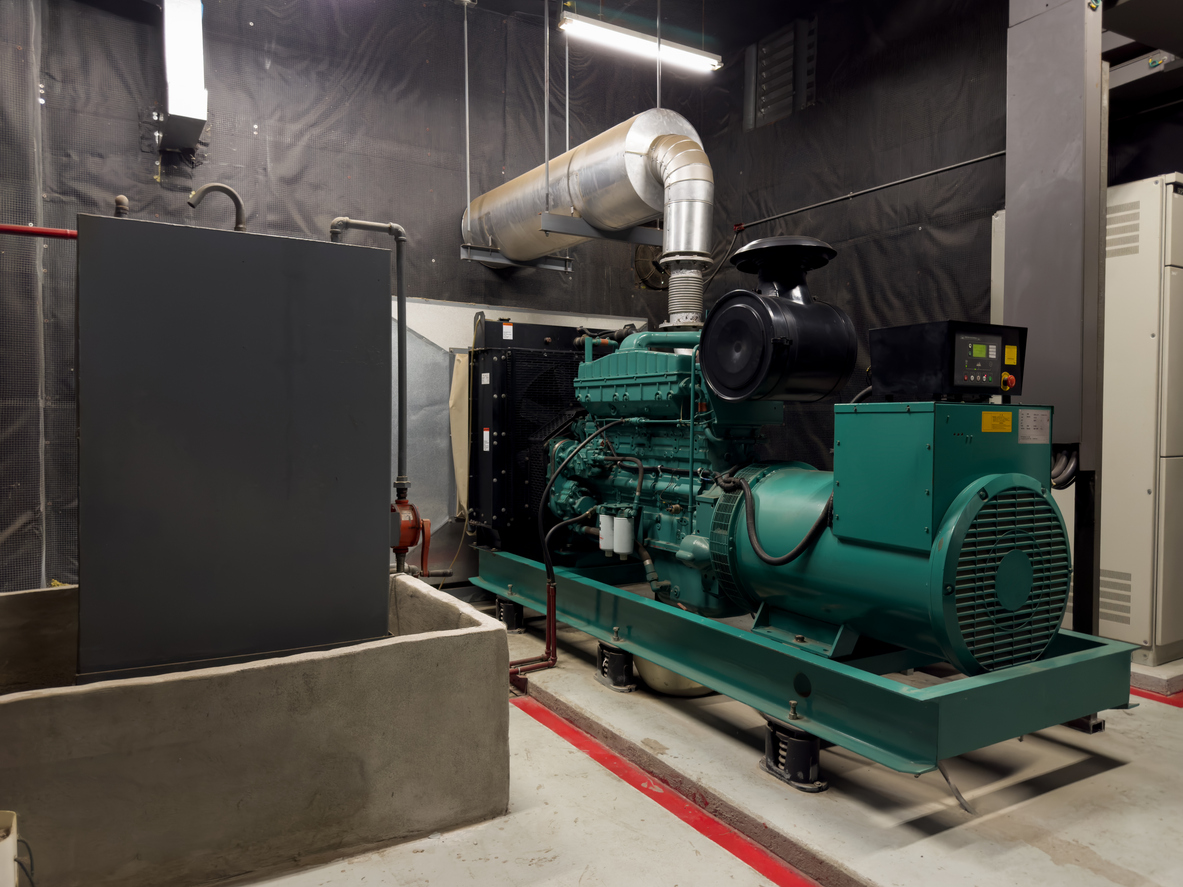
When your emergency backup generator fails, Camali Corp shows up ready, not just hoping for the best. We’ve handled hundreds of emergency generator repair jobs and built our fleet around fast solutions.
What You Can Expect From Camali
When an emergency backup generator fails, Camali Corp responds with speed and preparation. Our teams are available through 24/7 dispatch, including nights, weekends, and holidays, so help is never delayed. We arrive with pre-stocked repair trucks carrying common failure parts to avoid delays, like waiting on deliveries.
Camali Corp provides brand-agnostic generator repair, supporting Cummins, CAT, Generac, Kohler, MTU, Mitsubishi, as well as hybrid and containerized systems. Fast diagnostics using advanced tools allow technicians to identify issues quickly and shorten troubleshooting time. Every response is handled by certified technicians who understand data center environments, not just generators.
The focus is not only on fixing the immediate issue, but on keeping your operation online and stable long after the repair is complete.
Real-World Emergency: A Financial Data Center’s Near Miss
Let’s talk about a real generator failure data center incident.
A financial services client had recently updated their UPS system, but their generator was 15 years old and overdue for a replacement. When a massive storm hit the region, they lost utility power. The UPS held for 90 seconds, then the emergency backup generator failed.
Our Camali team dispatched immediately. While en route, we activated a mobile generator to bridge the load. By the time we arrived, the UPS was minutes from depletion. We repaired the failed starter motor and cooling fan, validated the fix, and had the client back on full power within four hours.
After the emergency, we helped them install a new generator and connected it to a real-time monitoring system. They haven’t had a single issue since.
How to Prevent Generator Failures Before They Start
The best emergency generator repair is the one you never need. At Camali, we help clients avoid future breakdowns with proactive care and technology.
Best Practices for Generator Uptime
Preventing generator failure starts with regular testing and maintenance. Load testing should be performed weekly under real operating conditions, not at idle, to ensure the generator can handle demand. Batteries also require attention, with VRLA batteries typically replaced every three years and lithium-ion batteries lasting closer to seven to ten years.
Fuel system maintenance plays a major role in generator uptime. Annual tank cleaning and fuel quality checks help prevent clogging and fuel degradation. Cooling systems should be checked monthly by verifying fluid levels, radiator performance, and proper airflow. Environmental monitoring is also critical, as temperature and humidity spikes can stress electronic components. Digital logging and remote monitoring help track alerts, faults, and performance changes before they lead to failure.
If your generator has sat idle for months, you’re vulnerable.
Why Regular Maintenance Isn’t Optional
Every year, thousands of emergency backup generator systems fail, not because they’re old, but because they’re ignored.
Common Mistakes We See
One of the most common mistakes is skipping monthly tests. A generator that is not tested regularly is far more likely to fail during a real outage. Another frequent issue is trusting indicator lights. A “Ready” light does not guarantee the generator will start or carry a load when needed.
Small faults are also often ignored. Minor alerts or warnings can be early signs of much larger problems, yet they are easy to dismiss. Fuel service is another area where delays cause failures. Diesel tanks can develop sludge or algae that quickly clog filters and injectors if not addressed. Finally, many facilities fail to keep proper logs. Without records of past alerts or test results, diagnosing future issues becomes much harder.
Regular maintenance is not optional. A structured maintenance schedule helps prevent these common failures before they put your operation at risk.
What Makes Data Centers Different
Repairing a generator in a warehouse or office is one thing. But a generator failure data center emergency comes with higher risks.
Why Data Centers Need Expert Repair
- No Room for Downtime: Every second offline means lost transactions or broken SLAs.
- Complex Power Chains: Data centers run on layers, utility, UPS, generator, and more.
- High Temperature Sensitivity: Even a short HVAC failure can spike server room temps fast.
- Redundant Systems: Repairs must be done in a way that respects your failover paths and redundancy plans.
Camali techs are trained for this. We work fast, document every step, and make safety a priority.
Get Help Now—Don’t Wait Until It’s Too Late
You don’t need to wait for a data center power outage to take action. With a partner like Camali Corp, you can put a plan in place today to avoid tomorrow’s emergency. We offer:
- Emergency response contracts
- Preventive maintenance schedules
- Remote system monitoring
- Generator replacement consultations
- Full load testing and diagnostics
Whether your data center supports ten servers or ten thousand, we’re here to keep you online, every hour of every day.
Act Fast and Stay Ready
When your emergency backup generator fails, you don’t get a second chance. That’s why emergency generator repair isn’t just a service, it’s your lifeline.
Don’t leave your uptime to chance. Contact Camali Corp today, and get a partner who’s ready when you need them most. We fix the failures, but we also build the future of power reliability.