Choosing the right data center provider can make or break your business operations. Outages can disrupt critical systems, impact productivity, and damage your reputation, so the stakes are high. For businesses in Southern California, San Diego and Irvine offer unique advantages for data center services, but selecting the right provider requires careful review.
This guide covers why these locations are ideal for your infrastructure needs and how to make the best decision for your business.
Why San Diego and Irvine Are Prime Data Center Locations
San Diego and Irvine lie in Southern California’s tech corridor, making them ideal for data center services. Both cities provide multiple fiber routes and network providers, and Irvine hosts the Orange County Internet Exchange with direct connections to One Wilshire in Los Angeles, ensuring strong connectivity. These locations face lower risk from wildfires and floods, and while earthquakes are a factor, strict building codes and emergency plans help protect facilities. Businesses also benefit from a supportive environment with streamlined permits, skilled workers, and nearby universities that supply tech talent. Reliable power from Southern California Edison keeps operations steady, and Irvine leads in 100 percent renewable energy options, supporting both sustainability and operational reliability.
Essential Criteria for Choosing Your Data Center Provider
1. Location and Accessibility
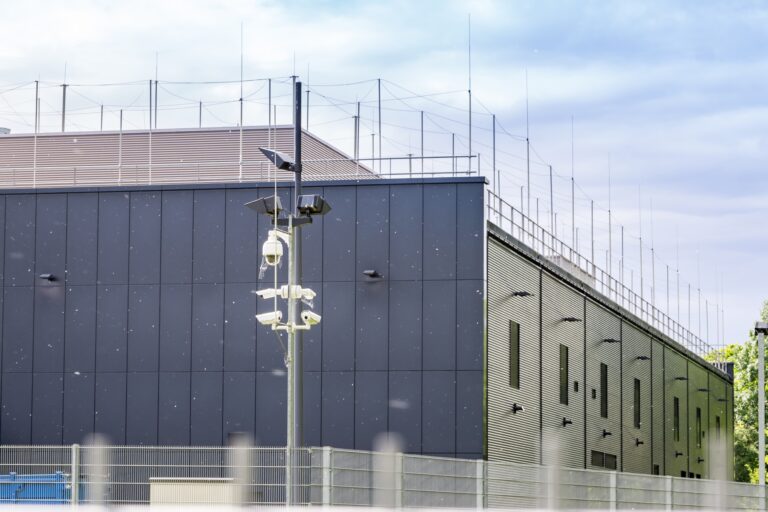
The facility should be secure, with 24/7 surveillance and controlled access. Proximity matters, so it should be within 30 to 60 minutes of your office for easy equipment access and support. Multiple fiber routes provide backup connectivity, reducing the risk of network interruptions.
2. Power Infrastructure and Redundancy
Reliable power is critical for continuous operations. UPS systems with N+1 or 2N redundancy ensure backup is always available, while on-site diesel generators with fuel contracts protect against extended outages. Efficient designs with a PUE rating of 1.5 or lower help lower energy costs. Ensuring robust backup power is essential. Research shows that high-impact digital outages can cost organizations around $2 million per hour, or roughly $33,000 per minute, emphasizing how quickly downtime can escalate into major financial loss. Proper UPS redundancy, generator capacity, and automatic transfer switches help protect your facility from these risks.
3. Cooling and Environmental Controls
Effective cooling is essential to maintain equipment performance. Modern HVAC systems with hot aisle containment and in-row cooling help manage heat loads, while continuous monitoring of temperature, humidity, and air quality ensures optimal conditions. Scalable designs allow cooling to grow with future expansion.
4. Security Measures
Data centers need multi-layer physical security, including biometrics, mantraps, and 24/7 personnel. Certifications like SOC 2 Type II and ISO 27001 demonstrate adherence to industry standards, and thorough staff background checks add an extra layer of protection.
5. Service Level Agreements (SLAs)
Choose providers with clear uptime guarantees, typically between 99.9 and 99.99 percent. Defined emergency response times and regular performance reporting help ensure accountability and reliable operations.
Evaluating Provider Capabilities
Technical Expertise and Support
A reliable provider offers 24/7 on-site engineers to address issues immediately. “Remote hands” services handle routine tasks, while strong vendor partnerships enable faster repairs and system updates.
Scalability and Flexibility
Your provider should offer available rack space or private suites to accommodate growth. Support for higher power density workloads ensures your infrastructure can handle future technology demands, and flexible contract terms allow adjustments as your needs change.
Financial Stability and Track Record
Choose a provider with a proven history of reliable operations. Positive customer references and strong financial health demonstrate the ability to maintain and invest in systems for long-term performance.
Local Advantages: San Diego vs. Irvine
San Diego Benefits
San Diego offers a diverse economy spanning biotech, defense, and tech industries. Its international connectivity supports trade with Mexico and the Pacific Rim. The mild climate helps lower cooling costs, and access to skilled talent from major universities and established tech companies strengthens the local workforce.
Irvine Benefits
Irvine stands out as a strong tech hub with both startups and established enterprises. The city has invested heavily in fiber and network infrastructure, offers streamlined business policies with fast permitting, and provides convenient access to business travel through John Wayne Airport.
Making Your Final Decision
Create a Weighted Scorecard
Start by developing a scoring system that reflects your facility’s priorities. This approach helps you objectively compare options.
- Critical Requirements (40%): Uptime, security, compliance
- Operational Needs (30%): Support quality, scalability, location
- Financial Considerations (20%): Pricing, contract terms, hidden costs
- Strategic Value (10%): Provider stability, growth potential, partnership opportunities
Conduct Site Visits
Visiting a provider’s facility is essential. Walk the data center floor, inspect support areas, meet the on-site technical team, review security procedures, and verify cleanliness and organization standards. Seeing operations firsthand ensures the provider can meet your expectations.
Negotiate Contract Terms
When reviewing contracts, prioritize high uptime Service Level Agreements (SLAs) and understand all costs, including setup fees, cross-connects, and bandwidth charges. Balance savings from longer-term agreements with flexibility needs, and ensure fair exit clauses if services fall short.
Working with Experienced Infrastructure Partners
Camali Corp offers complete design and build services, including electrical systems, HVAC infrastructure, and IT & cabling services, to strengthen your data center strategy. With 35+ years serving Southern California, we know the right partner can mean the difference between smooth operations and costly delays.
Red Flags to Avoid
Warning Signs of Poor Providers
Avoid providers that refuse to offer tours or detailed documentation of their facilities. Outdated power or cooling infrastructure, slow communication, single points of failure in critical systems, and thin staffing during off-hours are also major warning signs.
Common Pricing Pitfalls
Be cautious of hidden fees for setup, cross-connects, or bandwidth. Unreasonably high escalation costs, minimum commitments that exceed your actual needs, and harsh penalties for early termination can indicate a provider that may not align with your long-term goals.
Future-Proofing Your Decision
Technology Trends to Consider
Modern data centers must support edge computing for faster application response, integrate hybrid cloud solutions for seamless connections, adopt sustainable energy options, and handle AI and high-density computing workloads efficiently.
Building Long-Term Partnerships
The best providers do more than host servers. They act as trusted partners by offering consulting to optimize your infrastructure, providing emergency services, scaling with your business, and staying current with industry trends and technology advancements.
Choosing the Right Data Center Provider in San Diego and Irvine
Choosing the right data center provider near San Diego and Irvine requires balancing technical reliability, business terms, and long-term growth. Both regions provide advantages in strong infrastructure and business benefits, but the right provider should also align with your goals for uptime, security, and scalability.
Don’t just pick the cheapest option. Invest in a partner who can keep your business running smoothly while supporting future needs.
Ready to explore data center options in San Diego and Irvine? Contact our team to discuss your specific requirements and learn how we can support your infrastructure needs.