If your business needs to expand or build a new data center, you face a big decision. Should you choose a modular data center or a traditional one? This choice affects your operations, budget, and how easily you can grow in the future. As more organizations rethink how they build and scale infrastructure, choosing the right data center approach has become more important than ever. This complete guide will walk you through the key factors that should drive your infrastructure choice.
Understanding Your Data Center Options
What Are Traditional Data Centers?
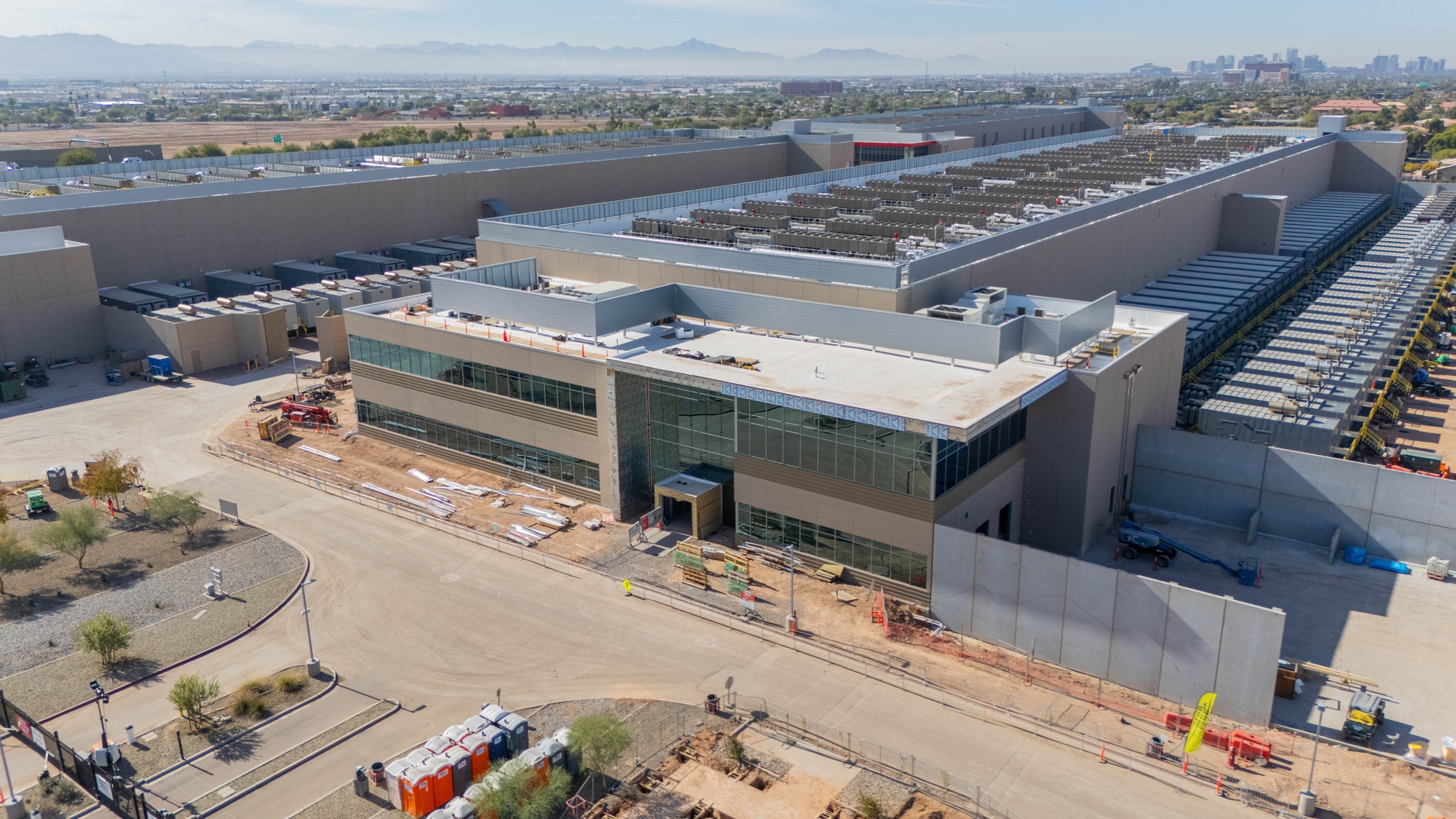
Traditional data centers are custom-built facilities. They can be made from the ground up or adapted from existing buildings. These “brick-and-mortar” facilities house servers, storage systems, networking equipment, and supporting infrastructure like cooling and power systems in a permanent, fixed location. Because they are purpose-built, traditional data centers offer full design control, strong physical security, and extensive backup systems. Many are planned to operate for 10 to 20 years or more, making them well suited for organizations with stable, predictable infrastructure needs.
What Are Modular Data Centers?
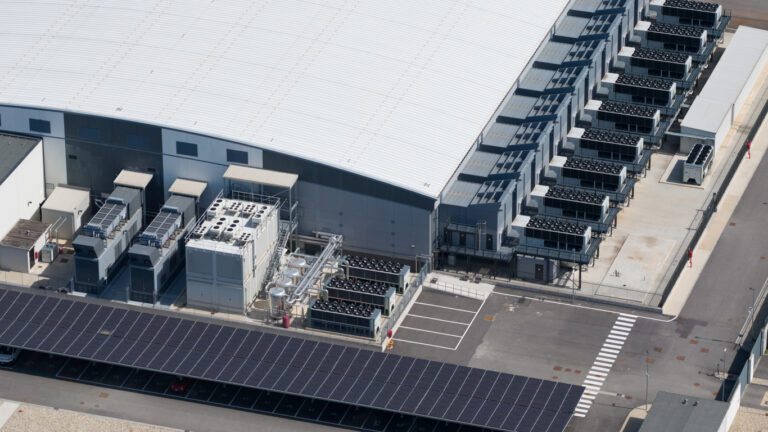
Modular data centers are prefabricated, self-contained units built off-site in controlled factory environments, then shipped and assembled at the deployment location. These solutions can range from shipping container-sized units to larger prefabricated modules that connect together. Modular designs emphasize speed and flexibility, with standardized components that integrate power, cooling, and IT infrastructure into a single package. This approach allows organizations to deploy capacity quickly, expand in stages, and place infrastructure in locations where traditional construction may not be practical.
The Critical Decision Factors
1. Timeline and Speed of Deployment
Traditional Data Centers: Building a traditional facility typically requires 12-24 months from initial planning to full operation. This timeline includes site preparation, construction, equipment installation, testing, and commissioning.
Modular Data Centers: Can be deployed in 2-4 months, with some containerized solutions operational in weeks. Because factory work happens at the same time as site prep, projects finish much faster.
When to Choose Modular: If you need infrastructure quickly to support business growth, new market entry, or disaster recovery, modular solutions provide the speed advantage your business requires.
2. Scalability and Future Growth
Traditional Approach: Scaling traditional data centers often requires significant architectural changes, additional construction, and substantial downtime. Many businesses build more capacity than they need at first to avoid expansion problems later. This usually means higher upfront costs.
Modular Approach: Offers true “pay-as-you-grow” scalability. With modular, you only pay for the capacity you need now and add more modules as your business grows. This flexibility is one reason adoption continues to accelerate. Industry research forecasts that the modular data center market could grow from around $30 billion in 2024 to nearly $80 billion by 2030, driven by demand for scalable, efficient infrastructure.
When to Choose Traditional: If you have predictable, long-term capacity requirements and prefer to build once for 15-20 years of operation, traditional builds may offer better economies of scale.
3. Cost Considerations
Capital Expenditure (CapEx) means your upfront spending to build the data center.
- Traditional: Higher upfront investment ($10-15 million+ for enterprise facilities)
- Modular: Lower initial investment with incremental expansion costs
Operational Expenditure (OpEx) means the daily costs to run a data center, like power and staff.
- Traditional: Potentially higher costs due to less efficient legacy systems and larger facility overhead.
- Modular: Modular systems are often more efficient. Many use modern designs that achieve better energy efficiency, measured by Power Usage Effectiveness (PUE).
Industry research finds that standardized, prefabricated modular data center designs often deliver lower total cost of ownership than traditional builds, thanks to reduced upfront construction costs, greater energy efficiency, and the ability to scale capacity over time.
4. Location and Geographic Requirements
Traditional Data Centers: Best suited for centralized operations with stable, long-term location requirements. Ideal for urban areas with established infrastructure and skilled technical staff.
Modular Data Centers: Excel in remote locations, edge computing deployments, or areas with limited infrastructure. Perfect for distributed computing strategies or temporary installations.
Real-World Application: For example, a mining company working in remote areas would benefit from modular solutions. A financial services firm, however, might prefer traditional construction for stronger security and backup systems.
5. Customization and Control
Traditional Builds: Offer unlimited customization options. Every aspect can be tailored to specific requirements, from floor layouts to specialized cooling systems.
Modular Solutions: They are efficient and standardized, though not highly customizable. Today, some providers allow partial customization and can connect several modules for more complex needs.
6. Reliability and Redundancy
Both approaches can achieve high availability standards, but through different methods:
Traditional: Can be engineered to Tier III or Tier IV standards with extensive redundancy built into the facility design.
Modular: Achieves reliability through distributed redundancy across multiple modules and standardized, factory-tested components.
Industry Use Cases: When Each Approach Excels
Choose Traditional Data Centers When:
- Large Enterprise Operations: Organizations with 500+ servers and predictable growth patterns
- Regulatory Compliance: Industries requiring specific certifications (healthcare, finance, government)
- Long-term Stability: Businesses planning 15-20 year infrastructure lifecycles
- Maximum Customization: Unique requirements that demand custom engineering solutions
Choose Modular Data Centers When:
- Edge Computing: Distributed processing requirements closer to end users
- Rapid Growth: Startups or expanding businesses with unpredictable capacity needs
- Remote Locations: Mining, oil & gas, military, or rural deployments
- Disaster Recovery: Quick deployment for business continuity solutions
- Temporary Needs: Event-based or seasonal capacity requirements
Making Your Decision: A Practical Framework
Step 1: Assess Your Timeline
If you need infrastructure operational within six months, modular data centers offer the fastest path to deployment. Projects with a 12 to 24 month window may benefit more from traditional construction and deeper customization.
Step 2: Evaluate Growth Patterns
Organizations expecting rapid or unpredictable growth often prefer modular designs that scale as needed. Businesses with steady, long-term capacity requirements may gain more value from a traditional facility built for economies of scale.
Step 3: Consider Location Factors
Modular data centers perform well in remote or difficult locations, while urban sites with established utilities can support either approach effectively.
Step 4: Budget Analysis
Modular solutions typically suit teams with limited upfront capital that need to move quickly. Traditional data centers make sense when a larger initial investment supports long-term optimization.
Step 5: Regulatory and Compliance Requirements
Highly regulated industries should confirm that either approach meets certification requirements, while standard business applications usually have flexibility to use both models.
The Hybrid Approach: Best of Both Worlds
Many organizations choose a hybrid model that combines traditional and modular data centers. Mission-critical workloads run in a centralized, traditional facility, while modular deployments support edge computing, rapid expansion, or new initiatives. This approach keeps core systems stable while allowing the flexibility to scale or experiment without major disruption.
Expert Insight: Industry Perspective
“The choice between modular and traditional data centers isn’t about which technology is superior—it’s about matching the solution to your specific business requirements,” notes a senior infrastructure architect. More businesses are choosing hybrid setups because they combine the strengths of both types.
In our work with clients across diverse industries, we’ve observed that successful data center decisions align infrastructure capabilities with business objectives rather than following industry trends alone.
Environmental Impact and Sustainability
Modular data centers often support sustainability goals through factory-built construction that reduces material waste and improves energy efficiency. Their standardized designs also make it easier to integrate renewable energy sources and limit the environmental impact during deployment.
Traditional data centers support long-term sustainability in different ways. Large, permanent facilities can incorporate extensive renewable energy systems, invest in long-term efficiency upgrades, and use options like district cooling that are not always practical in modular setups.
Future-Proofing Your Investment
Technology Evolution
Both options must keep up with new technologies like AI, edge computing, and 5G. Modular solutions offer easier technology refresh cycles, while traditional builds provide more space for future expansion.
Market Trends
The industry is shifting toward setups that spread out computing and allow more flexibility. Consider how your choice aligns with broader technology trends and your organization’s digital transformation strategy.
Making the Right Choice for Your Business
Your choice between modular and traditional data centers depends on factors like budget, timeline, growth needs, and how you plan to run your operations. No single approach is the best for everyone. Your decision should match your specific goals and challenges.
- Choose modular when: Speed, flexibility, and distributed deployment are priorities
- Choose traditional when: Maximum customization, long-term stability, and centralized operations are key requirements
- Consider hybrid when: You need both stability and flexibility
Ready to explore your data center options? Contact our infrastructure experts for a consultation tailored to your specific requirements. We’ll analyze your needs and recommend the approach that best supports your business objectives.