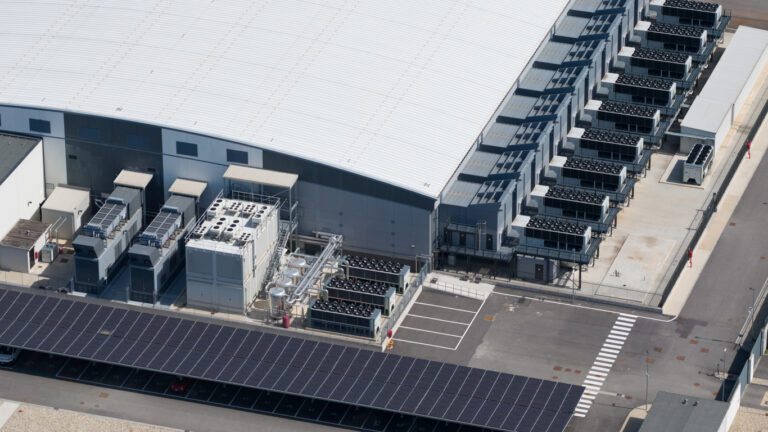
Physical space is the invisible ingredient in every drug you make. When FDA inspectors complete a Form 483 they document conditions that might signal noncompliance, including equipment, facility, and environmental control issues, which are listed in the FDA inspection observations data sets maintained on the FDA website. These kinds of infrastructure problems are frequently cited in 2024 inspection findings and show how even a small lapse in facility or equipment maintenance can disrupt production or trigger regulatory follow-up. One mis-aligned pipe slope or a leaky HEPA filter can halt a billion-dollar launch overnight.
Camali Corp helps its clients design, engineer, and qualify GMP manufacturing space around the world, supporting projects that together span millions of square feet of pharmaceutical facility infrastructure. This guide breaks down the FDA, EU, WHO and ISO rules that govern pharmaceutical plant infrastructure, plus a 7-step roadmap to stay inspection-ready.
Why Infrastructure Regulations Matter for Pharma
The quality of a drug depends greatly on the environment where it is made. If a facility has poor contamination controls, big swings in temperature, or gaps in data tracking, regulators view that as a serious risk to patient safety. The FDA inspects drug makers to ensure they follow current good manufacturing practices and to confirm that facilities and equipment are controlled in ways that protect product quality and prevent contamination. When inspectors see serious issues, they can document them on a Form 483 and may go on to issue warning letters, request product recalls, or place sites under import restrictions until problems are fixed. These actions can delay product approvals, disrupt supply, and hurt a company’s reputation and finances, showing just how important a well-controlled manufacturing environment is to drug quality and regulatory compliance.
The Global Regulatory Framework
Pharma is borderless, but regulations are issued by regional authorities. Exporters often must meet all applicable codes.
| Region | Key Document | Core Focus |
| United States | 21 CFR 211 Subpart C | Space, surfaces, HVAC, maintenance |
| European Union | EU GMP Annex 1 & 15 | Risk-based sterile design + qualification |
| World Health Org. | WHO TRS 1010 Annex 2 | Cleanroom guidance for emerging markets |
| International | ISO 14644-1/2 | Cleanroom classes & test frequency |
FDA 21 CFR 211 – Subpart C
FDA 21 CFR 211 Subpart C sets the basic facility requirements for drug manufacturing in the United States. It says buildings used for drug production must be the right size and layout so that materials and equipment are separated and easy to clean. Facilities need good lighting, ventilation, and environmental controls to prevent contamination and mix-ups. These building and ventilation rules are part of the current good manufacturing practice standards drug makers must meet to make safe, high-quality products.
EU GMP Annex 1 & 15
In the European Union, EU GMP Annex 1 focuses on making sterile medicines safe by requiring controlled environments, proper cleanroom design, and contamination control strategies during manufacturing. It guides how air and surfaces are controlled so sterile products stay free from microbes and particles. Annex 15 explains how facilities, systems, and equipment must be qualified and validated throughout their life so they work as intended before and after they go into use. Together these rules help ensure consistent quality and compliance when producing sterile pharmaceutical products.
WHO TRS 1010 Annex 2
The World Health Organization publishes good manufacturing practice guidelines as part of its Technical Report Series. Annex 2 of TRS 1010 offers supplemental GMP guidance related to the manufacture and quality control of certain products and supports countries in building appropriate quality systems and infrastructure under national regulations. While this guidance does not function as a law, it helps regulators and manufacturers align practices for safety and quality in pharmaceutical production across different regions.
ISO 14644 for Cleanrooms
ISO 14644-1 is the international standard used to classify and define cleanrooms and controlled environments based on the number of airborne particles per cubic meter of air. It sets numerical limits for particles of different sizes, such as 3,520 or fewer particles of 0.5 µm and larger per cubic meter of air for an ISO 5 cleanroom, the level often needed for sterile pharmaceutical manufacturing. These classifications are widely referenced in pharmaceutical GMP guidelines to help design, monitor, and control cleanroom environments and keep products free from contamination.
Critical Infrastructure Systems Under Scrutiny
1 – HVAC & Cleanroom Classification
In pharmaceutical manufacturing, HVAC and cleanroom systems are tightly regulated to protect drug quality. FDA regulations require proper ventilation, air filtration, and environmental control in production areas so that air pressure, particles, and humidity do not contaminate product or equipment. For sterile manufacturing, cleanrooms like ISO 5 and ISO 7 must maintain controlled airflow and environmental conditions to help prevent contamination and support compliant operations. These controls are part of the physical environment systems the FDA reviews during inspections.
2 – Utilities: Water, Steam, Gases
Utilities such as purified water, steam, and compressed gases are treated as critical systems in GMP environments because they can directly affect product quality. The FDA includes utilities like water systems, HVAC, steam, and gas supplies in its definition of facilities and equipment that must be designed, maintained, and controlled in a way that supports drug safety and effectiveness. Water systems used for manufacturing and cleaning need proper treatment and monitoring, and steam and gases used for sterilization must meet quality standards so they do not introduce contamination into products or equipment.
3 – Building Materials & Layout
The materials and layout of a pharmaceutical facility also matter to regulators. Walls, floors, and ceilings must be made of smooth, cleanable materials so microbes and contaminants cannot hide in seams or cracks. Facility design should promote clear, unidirectional flow of personnel and materials to minimize cross-contamination risks.
4 – Digital Infrastructure & Data Integrity
Under FDA 21 CFR Part 11, electronic records and electronic signatures used in pharmaceutical manufacturing systems must be trustworthy, reliable, and equivalent to paper records. Systems that record environmental data, set-point changes, or quality results need secure audit trails that show who made each change and when. Electronic signatures must be linked to specific records, and systems must protect data integrity with unique user IDs and controls so that records remain accurate and reliable during audits and regulatory reviews.
7-Step Roadmap to Achieve & Maintain Compliance
| Step | Action | Why It Matters |
| 1 | Write a URS. Capture process needs, grades, utilities, data, throughput. | Anchors all design & validation work. |
| 2 | Risk-Based Design Review. Use ISPE Baseline Guides. | Shows regulators you built quality in, rather than inspected it out. |
| 3 | Select GMP-Grade Materials & Vendors. Verify surface finishes (e.g., Ra ≤0.8 µm for stainless). | Prevents corrosion, microbial harbor. |
| 4 | Qualify Utilities (IQ/OQ/PQ). | Proves the system works, on paper and in reality. |
| 5 | Continuous Monitoring. At least 1 particle counter/1,000 ft² ISO 7. | Real-time alerts beat surprise deviations. |
| 6 | Train Staff Annually. Human error drives 40% of deviations (ISPE 2023). | Culture of quality > fixes after failure. |
| 7 | Semi-Annual Gap Audits. Benchmark vs. FDA 483 trends. | Cuts findings by 55% on re-inspection. |
Case Snapshot: From Repeat 483s to Zero
A top-10 generics maker received two FDA citations for HVAC imbalance. Camali engineers:
- Ran CFD airflow modeling
- Redesigned ducting + installed pressure sensors tied to BMS
- Re-qualified, all in 14 weeks
The next FDA visit? Zero observations. Faster approvals, no lost batches.
“Inspectors don’t just look for a clean room; they look for a clean roadmap.” — Priya Natarajan, PhD, Senior Validation Engineer, Camali Corp
Ready to Turn Compliance into a Competitive Edge?
Camali integrates engineering, construction & validation so compliance is a feature, not a fire drill.
Have questions? Contact our GMP engineers.