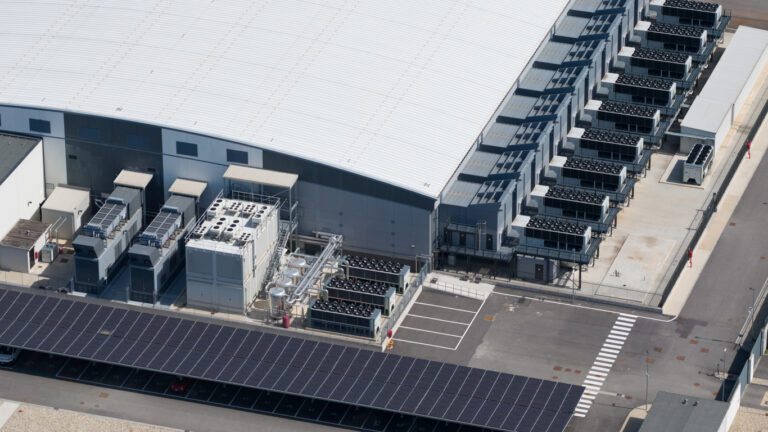
It’s early morning and the chiller that keeps your data center cool starts to drift out of spec. No one is on-site and alarms won’t be noticed until morning. By then, servers may throttle or shut down, and your “just a few minutes” of downtime turns into angry emails, lost revenue, and a 6-figure headache.
Now flip the script. A tiny sensor catches the temperature rise, pushes an alert to your phone, and auto-adjusts fan speed, before staff or customers feel a thing. Welcome to remote HVAC monitoring.
What Is Remote Monitoring?
Remote monitoring uses internet-connected sensors installed on HVAC equipment to track system performance in real time. These sensors send live data to a secure cloud dashboard that can be viewed from a laptop or phone. Similar to a fitness tracker, but for a building. Remote monitoring measures key factors like temperature, humidity, motor amps, refrigerant levels, vibration patterns, and static pressure to help spot issues early and keep systems running efficiently.
Why Remote HVAC Monitoring Matters in 2025
Remote HVAC monitoring is becoming essential in 2025 because three big trends are reshaping building operations. First, rising energy costs mean HVAC systems make up a large portion of a commercial building’s power bill, putting pressure on budgets. Second, ongoing labor shortages make it harder to send technicians out to manually check equipment and gauges. Third, the price of IoT sensors has fallen sharply compared with just a few years ago, making remote monitoring an affordable tool for many facilities.
The U.S. Department of Energy says advanced building controls that include remote monitoring and automation can deliver around 30 percent annual HVAC energy savings on average in commercial buildings by improving how systems are controlled and operated, cutting electrical demand and overall energy use. Many facilities that adopt continuous monitoring report better performance, fewer unexpected issues, and lower operating costs because problems are detected earlier and systems run more efficiently.
Common headaches traditional monitoring can’t solve
Traditional monitoring methods struggle with several problems that remote systems address more effectively. Equipment performance can drift between quarterly preventive maintenance visits without warning, and after-hours failures often go unnoticed until they become emergencies. Systems can waste energy by heating and cooling simultaneously, and manual logbooks are prone to errors and omissions. Without historical data, teams often have to guess at root causes when issues recur. Remote monitoring continuously watches system performance, catches anomalies early, and delivers accurate data that facility teams can use to reduce costs and prevent downtime.
How Remote HVAC Monitoring Actually Works
1) Hardware
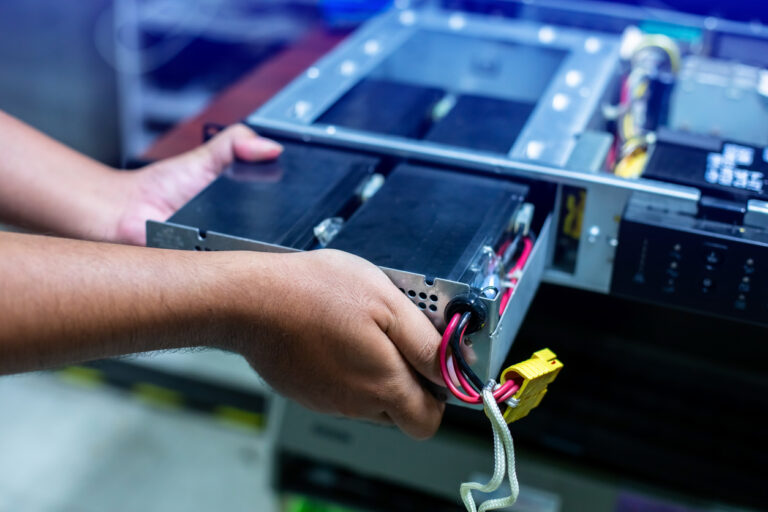
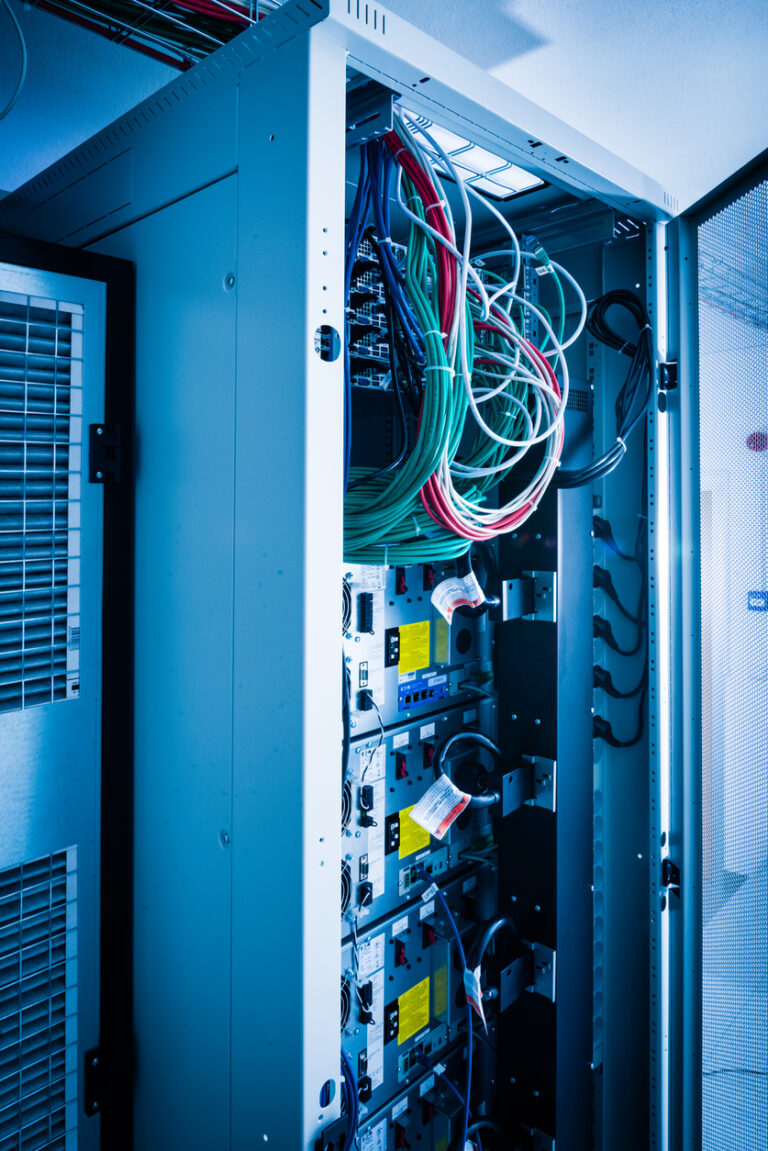
Remote HVAC monitoring starts with sensors installed on key equipment. These sensors measure temperature, humidity, pressure, current draw, vibration, VOCs, and CO₂ to capture how the system is really performing. Gateways collect this data using wired or wireless connections and send it to the internet through Ethernet or cellular service. Smart controllers, often part of the building automation system, can respond automatically by adjusting fans, dampers, or other components based on what the data shows.
2) Software
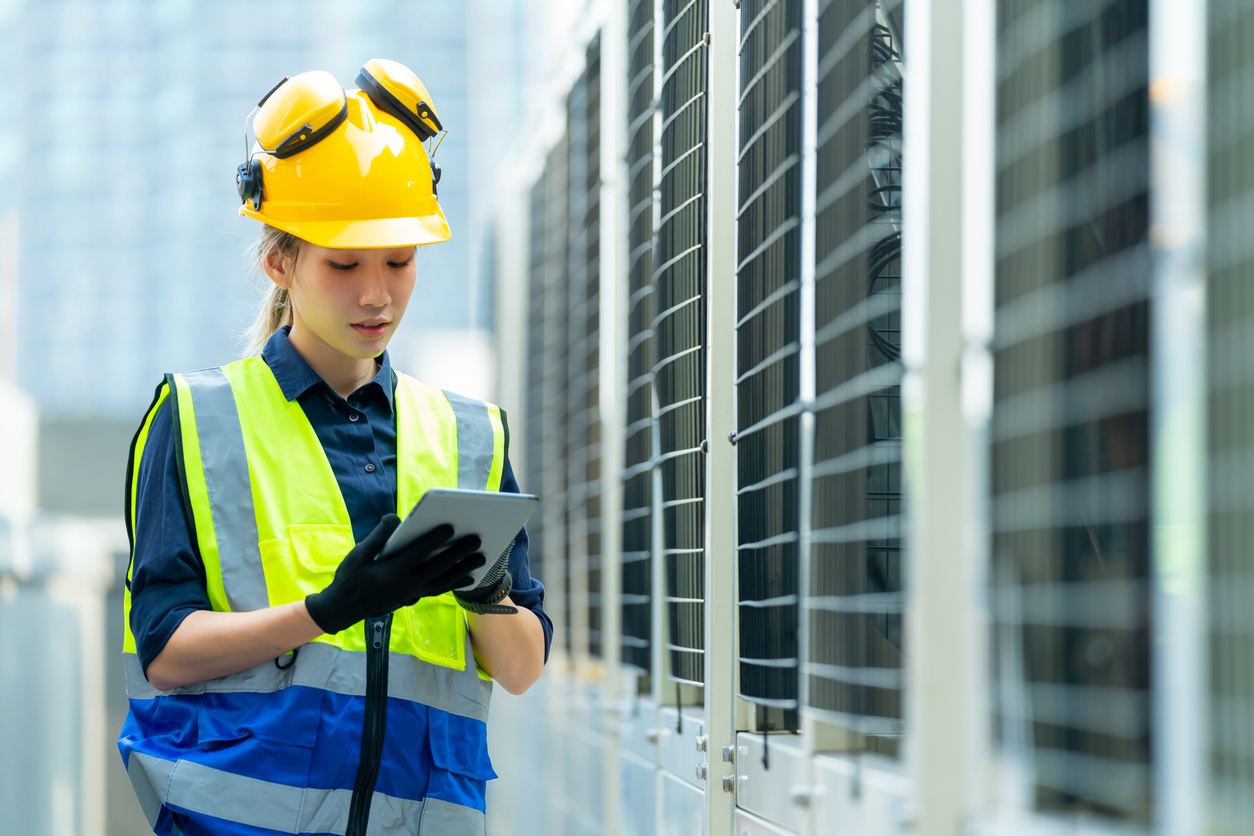
All sensor data flows into a cloud dashboard that displays real-time readings, trend graphs, and color-coded alerts. Facility teams can view system status from a computer or mobile app and receive instant notifications when values reach warning levels. An analytics layer uses AI to identify hidden issues such as bearing wear, refrigerant leaks, or systems simultaneous heating/cooling.
3) Connectivity & Security
Remote monitoring systems are designed with security in mind. Data is encrypted in transit and protected by secure log-ins and role-based access. VPN connections help isolate building systems from outside threats, while local “edge” backups store data during brief internet outages so no information is lost.
8 Business Benefits You’ll Notice Fast
- 24/7 Visibility – Know your system is always being watched through continuous, real-time HVAC performance monitoring.
- Faster Fault Detection – Spot issues in minutes instead of days using live alerts triggered by abnormal system behavior.
- Energy Savings – Real-time kW tracking exposes short cycling and manual overrides, helping identify waste and improve HVAC efficiency.
- Predictive Maintenance – Vibration and amperage anomalies flag failing motors and components early, before breakdowns occur.
- Fewer Truck Rolls – Up to 50 percent of alarms can be diagnosed, fixed, or reset remotely without sending a technician onsite.
- Compliance Made Easy – Automatic data logs and exports support ASHRAE guidelines and Joint Commission reporting requirements.
- Longer Equipment Life – Gentler runtimes and faster corrections reduce wear, adding years before major HVAC equipment replacement is needed.
- Happier Occupants – Tighter temperature and humidity control improves comfort, productivity, and overall building experience.
Step-by-Step: How to Add Remote Monitoring to Your Building
1) Assess & Prioritize
Start by walking your facility to identify critical assets such as chillers, CRAH units, and VAV boxes. Rank each piece of equipment by the risk and operational impact if it were to fail, so you know where monitoring will deliver the most value first.
2) Design & Budget
Next, select the right sensors and communication protocols, whether LoRaWAN, BACnet/IP, Modbus, or another standard, and ensure they integrate with your current building automation system or a standalone platform if needed. Plan a phased rollout if budget constraints exist. For guidance on planning, Camali’s consulting and design experts can help create a tailored roadmap for your facility.
3) Install & Commission
Mount and calibrate the sensors, connect them to the cloud dashboard, and run an initial 30-day “burn-in” period to fine-tune alert thresholds and system performance.
4) Train & Optimize
Finally, train staff on how to read dashboards, acknowledge alarms, and escalate issues when necessary. Use weekly trend reports to adjust schedules, improve energy efficiency, and ensure your monitoring system continues to deliver real-world benefits.
Costs, ROI & Real-World Results
Remote HVAC monitoring requires upfront hardware, like sensors and gateways, and ongoing software for dashboards and analytics, with labor often included in a service contract. Subscription-based monitoring services can bundle hardware, cloud access, and maintenance, making costs predictable while delivering energy savings and reducing emergency repairs.
Energy reductions of 15–30 percent are typical in commercial buildings, often resulting in payback within 9–18 months. For example, a rooftop unit running 10 percent longer than needed can waste hundreds to over a thousand dollars annually, which can be recovered immediately once an alert prompts a technician to adjust runtime. Real-time monitoring ensures small faults are caught early, protecting equipment and reducing operational costs while improving efficiency.
FAQs About Remote HVAC Monitoring
1. Can I add remote monitoring to older systems?
Yes. Non-invasive clamp-on sensors and wireless gateways make even 1990s air handlers cloud-ready without pulling new wire.
2. Does it replace on-site maintenance?
No. It reduces emergency visits, but quarterly and annual PM are still vital. Think of remote monitoring as your early-warning radar.
3. Is cellular or Wi-Fi more reliable?
For mission-critical sites, Camali recommends dual-path: Ethernet primary, cellular backup. If one path drops, data keeps flowing.
4. What about cybersecurity?
All traffic travels in encrypted tunnels, and user roles restrict who can see or change set-points. Annual security testing is recommended.
Final Take: Small Sensors, Big Wins
Remote HVAC monitoring turns your equipment into a live data stream. For facilities that can’t afford downtime like data centers, hospitals, manufacturing, those insights translate to uptime, lower bills, and happier occupants.
Camali Corp’s HVAC Services team has deployed hundreds of these systems across the West Coast. If you’d like to see a live demo or get a cost-benefit snapshot for your building, talk to our engineers today.
Ready to catch the next fault before it catches you? Schedule a Consultation